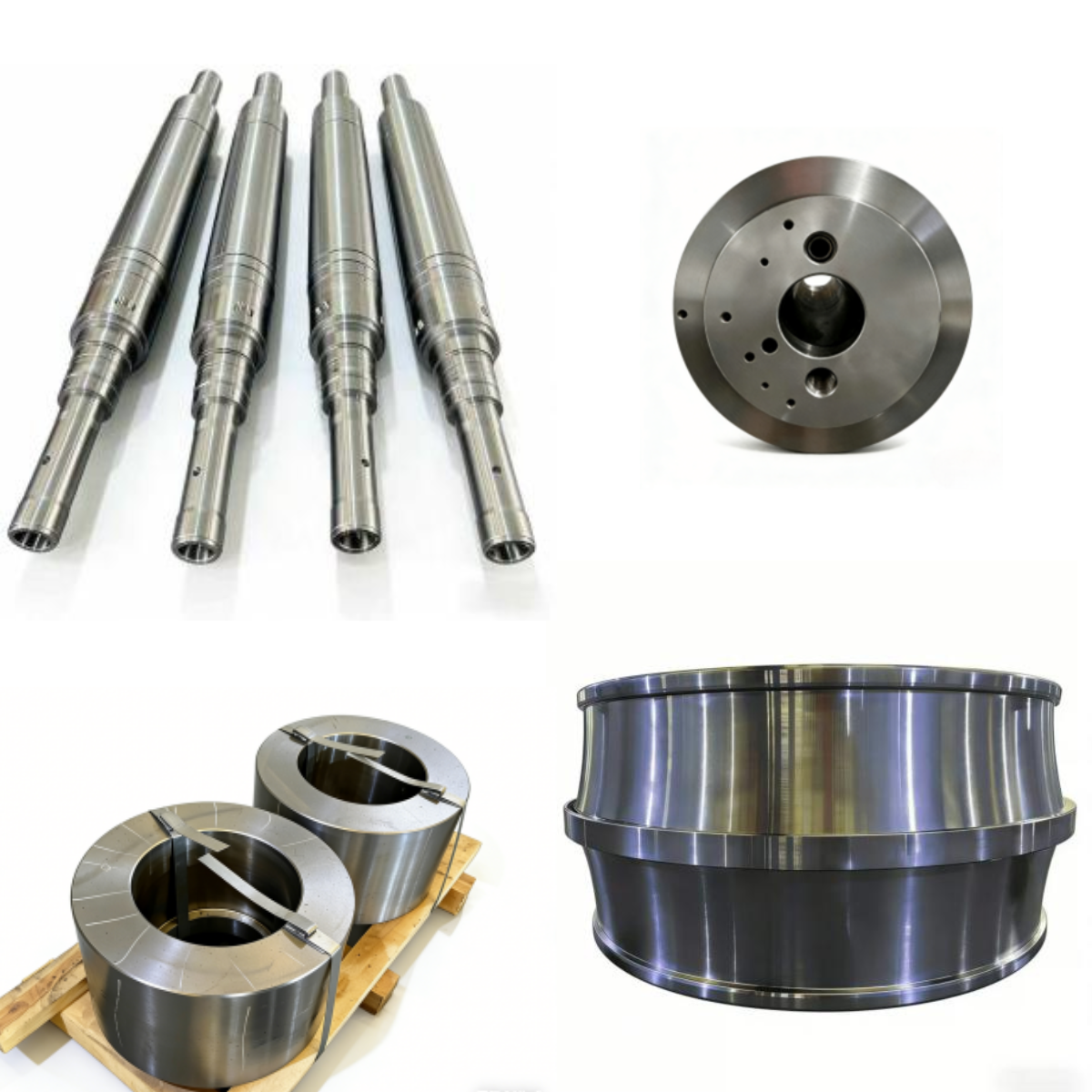
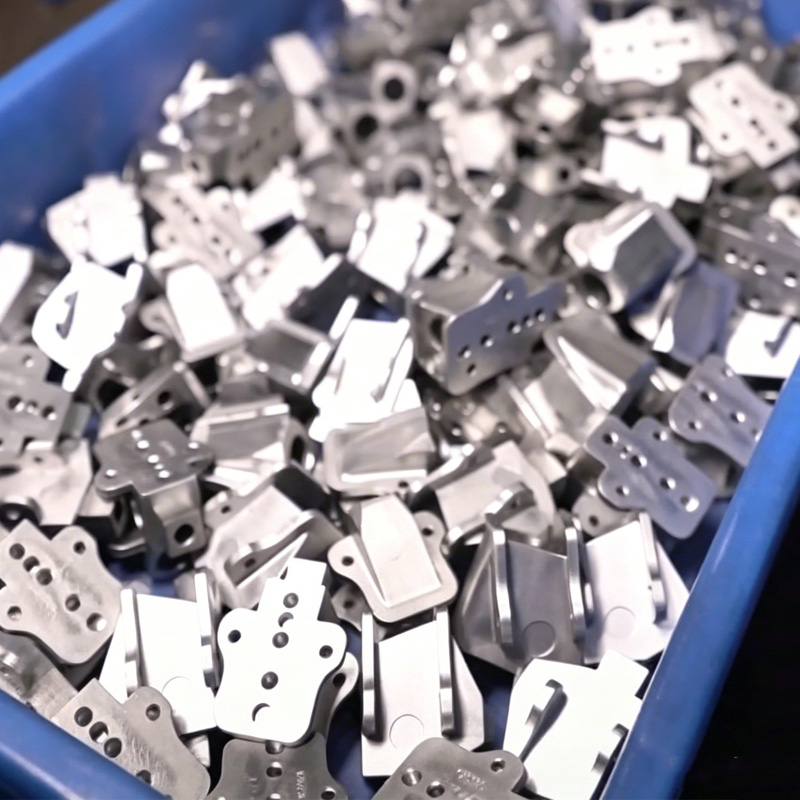
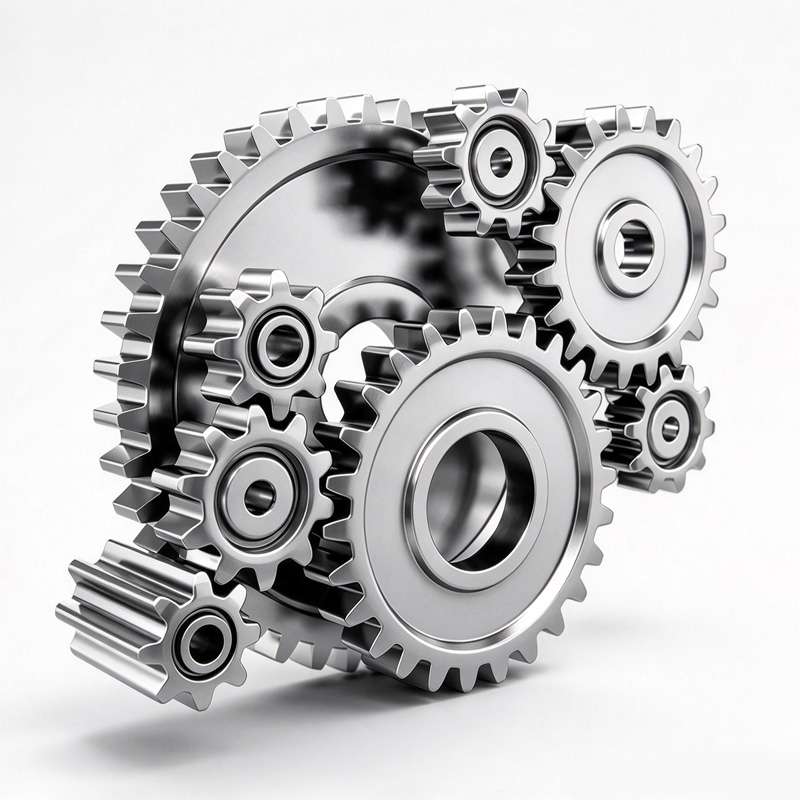
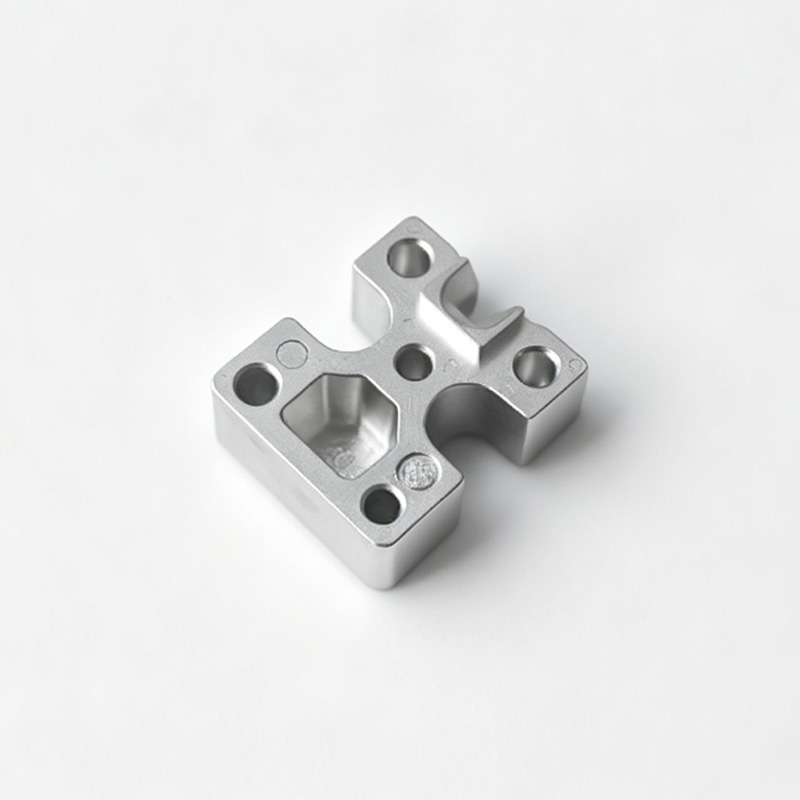
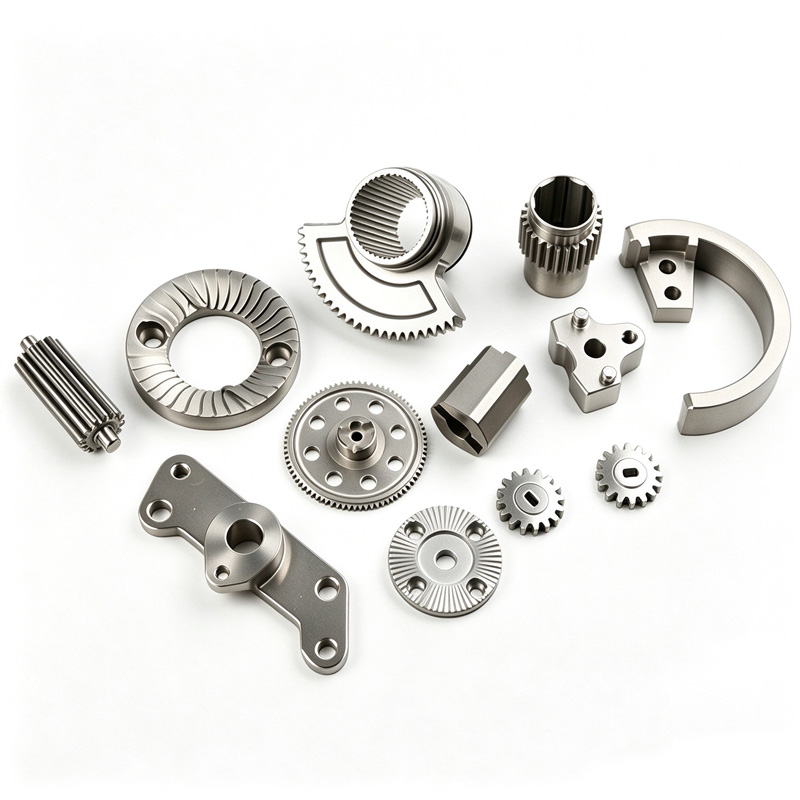
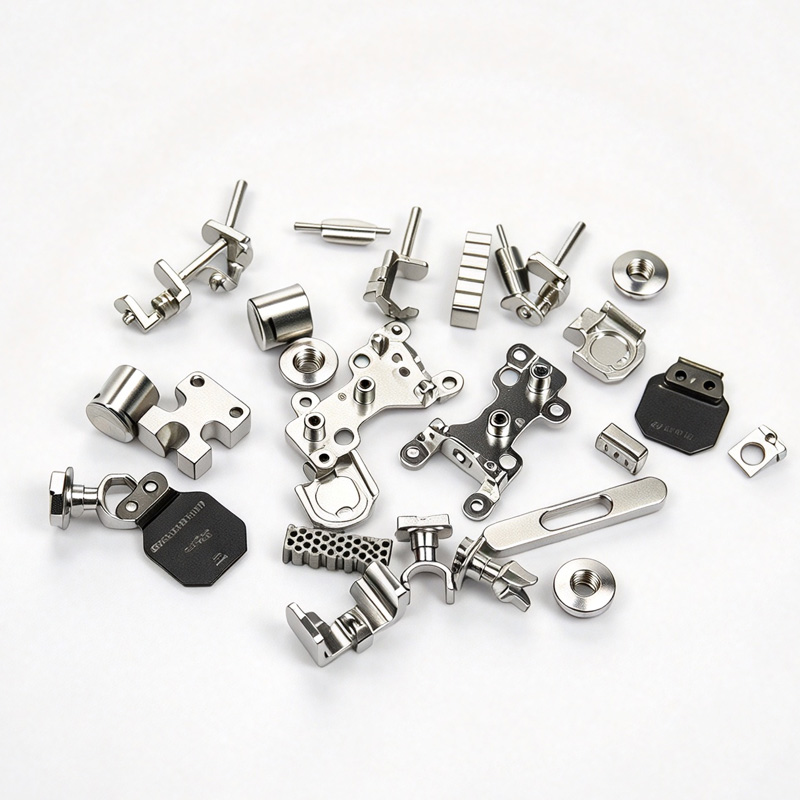
In modern industrial manufacturing, component failure is rarely an option. Whether in automotive transmissions, medical surgical devices, consumer electronics, or aerospace assemblies, small structura
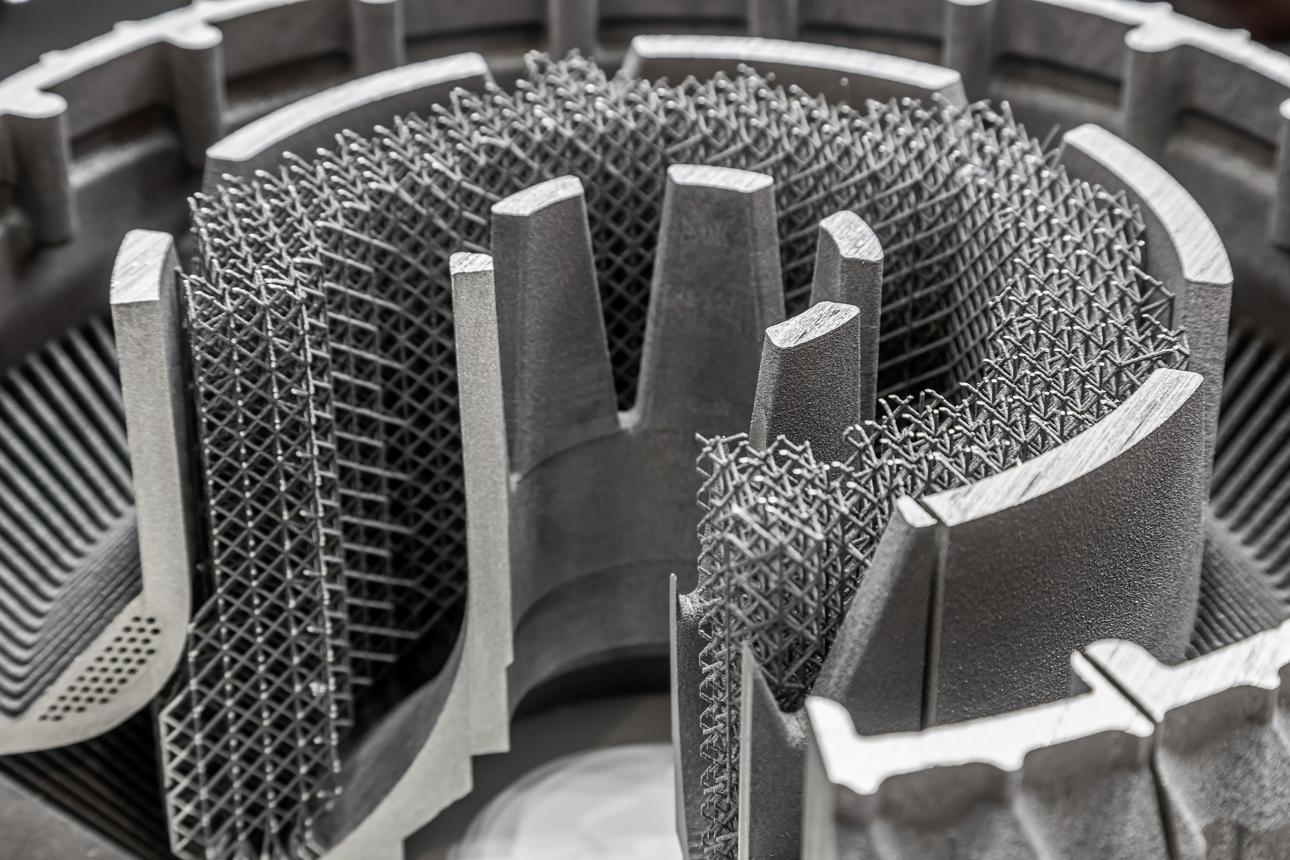
Lattice structures look great in CAD renderings. But inside machine parts, they are a different story. Many engineers and buyers want lighter brackets, grippers, or tooling. But they are often unsure
In recent years, rapid advancements in artificial intelligence, automation systems, and smart manufacturing technologies have accelerated the global development of the robotics industry. From industri
In modern wind turbines, the gearbox remains one of the most mechanically demanding subsystems. Despite the continuous increase in turbine size and rated power, many gearbox failures are still linked
In high-precision industrial manufacturing, producing structural components with complex geometries often presents significant operational bottlenecks. Traditional subtractive methods, such as CNC mil
1. Can Powder Metallurgy Really Reach Hair-Width Precision? Can powder metallurgy reach hair-width precision? The honest answer is: on selected features and under defined production conditions, it can
The Short Answer: Neither Process Is Always Better Many engineers ask, “Is powder metallurgy inferior to casting?” The accurate answer is no. Casting and Powder Metallurgy solve different manufacturin
Chapter 1: The Short Answer—Finished Parts Are Not Green Parts Many people believe that powder metallurgy is not strong because they have seen a small part break after being dropped. In most cases, ho
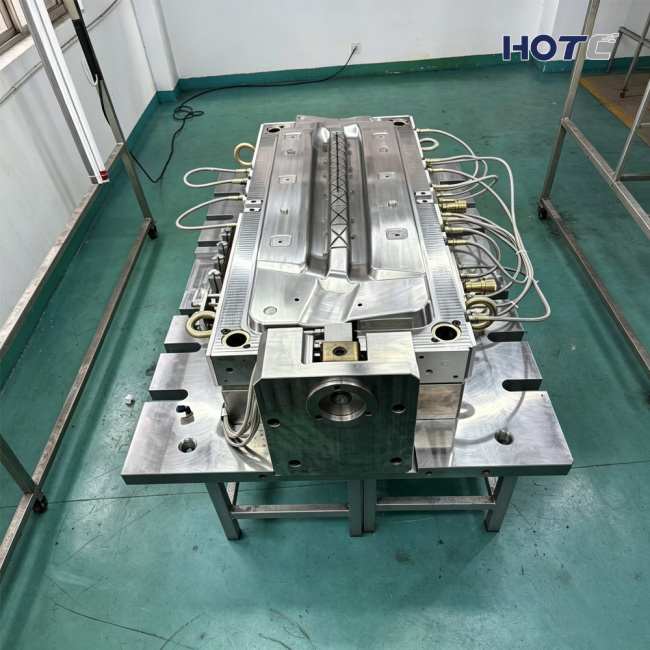
Taizhou HongTaiKe Mould Technology Co.,Ltd introduces its robust, precision‑engineered mould purpose‑built for manufacturing automotive structural components such as bumper beams, compatible with adva
When customers ask, “Which powder metallurgy process should I choose?”, the best answer is not simply “choose conventional PM” or “choose MIM.” The right route depends on the part’s geometry, material