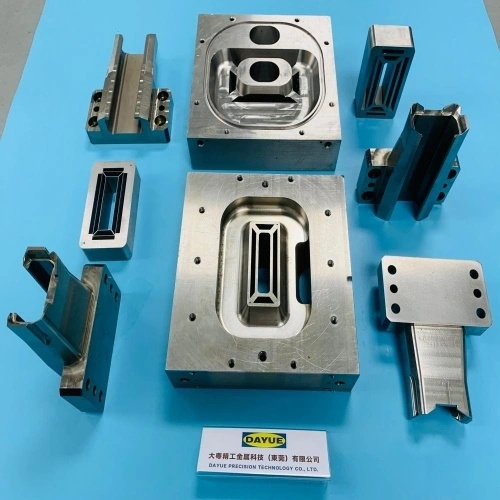
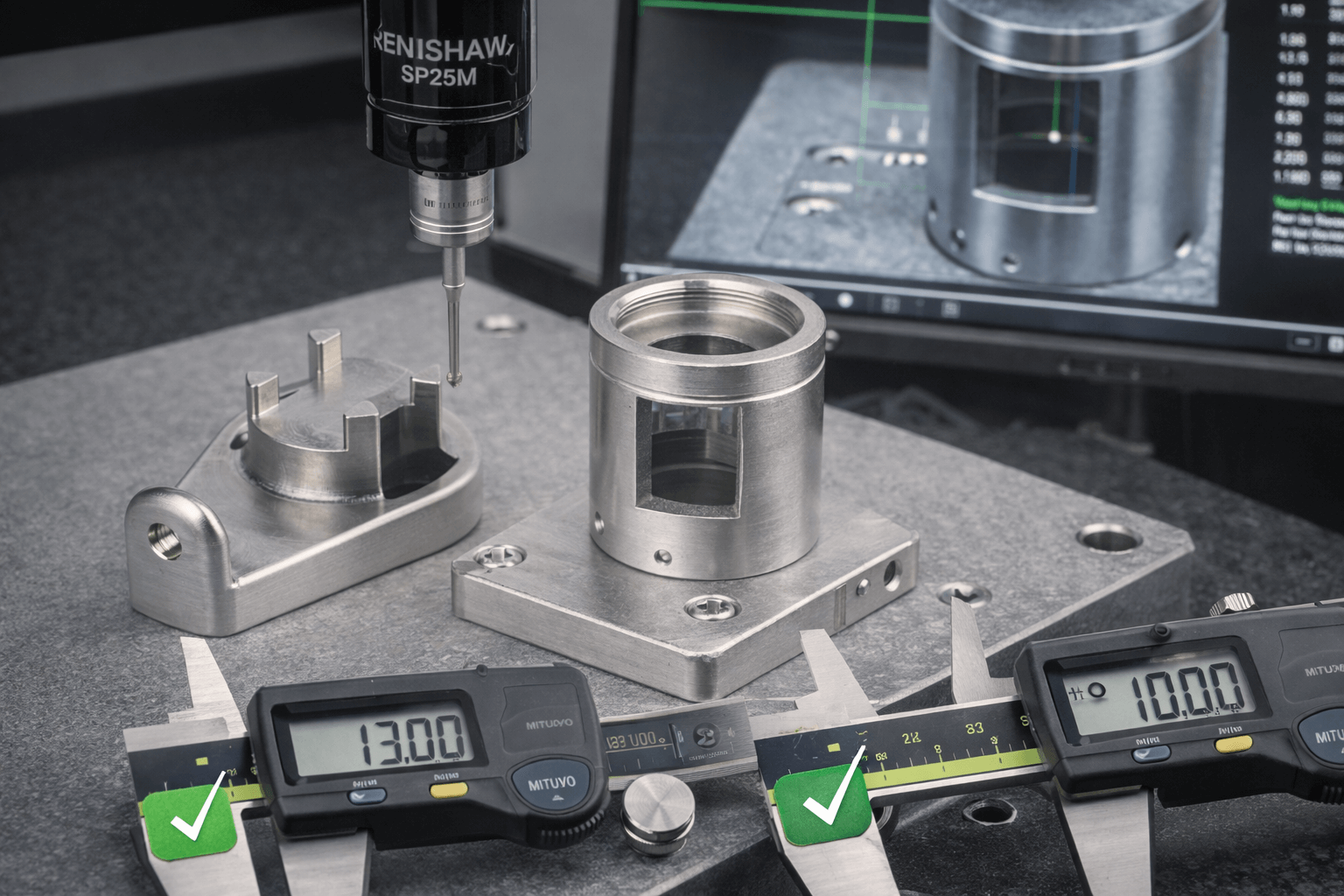
Quality control is the foundation of reliable sheet metal manufacturing. Because sheet metal parts are used in everything from smart vending machines and industrial enclosures to household devices and
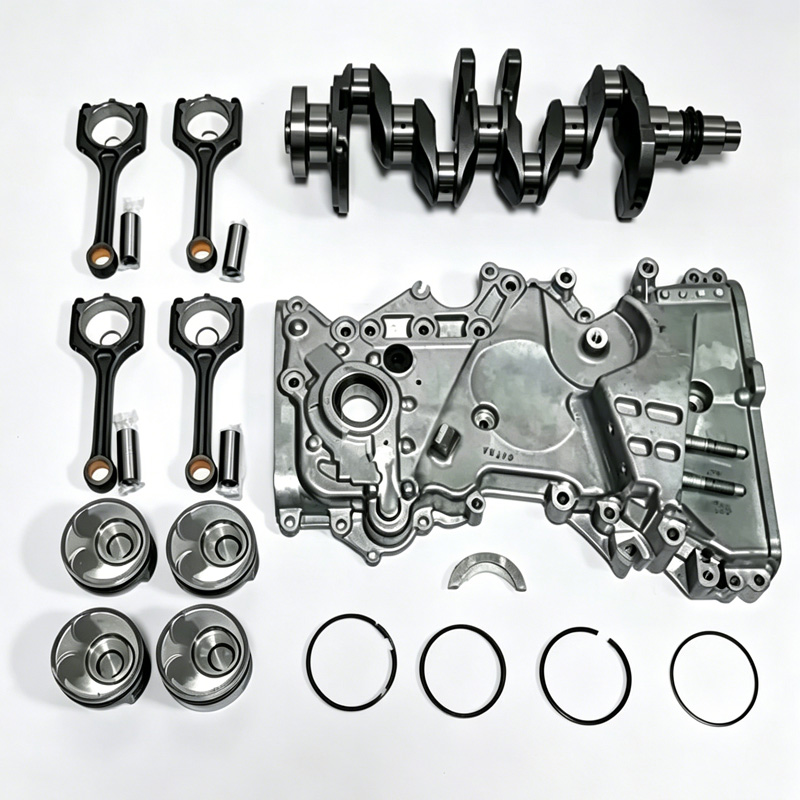
Supply chain disruption, tightening quality standards, and the electric vehicle transition are combining to push global automotive and machinery OEMs to requalify their precision casting and forging v
Many procurement managers and mechanical engineers still operate under an outdated misconception: that Powder Metallurgy is solely suitable for rough, low-precision hardware parts. While early powder
Invar 36 is an alloy containing 35.4% nickel. It has a very low coefficient of thermal expansion at room temperature (the average value is about 1.6×10⁻⁶/℃ between -20°C and 20°C). It is known as the
In the aerospace industry, precision and reliability are paramount. Among the critical components that contribute to the safety and functionality of aircraft and space vehicles are special aerospace c
Solar mounting fabrication succeeds or fails on two numbers nobody argues about: 25 years of corrosion resistance and ±1 mm of dimensional consistency across thousands of parts — and the second one is
Wire Electrical Discharge Machining (EDM) is a highly precise and efficient manufacturing process that utilizes a thin, electrically charged wire to cut through conductive materials. This technology f
In modern manufacturing, surface treatment is more than a finishing touch-it is a critical factor that affects product durability, corrosion resistance, mechanical performance, and appearance. For met
The process flow of optical component processing varies with different processing methods. There are two main types of processing methods for optical components: traditional (classical) processing tec
Optical equipment depends on accurate positioning, stable structures, and consistent mechanical performance. While optical elements receive significant attention, the mechanical structures supporting