Three Characteristics of Cnc Turning
CNC turning is a key manufacturing process utilized in various industries, including automotive, aerospace, electronics, and more. It involves the use of computer numerical control (CNC) machines to s
CNC turning is a key manufacturing process utilized in various industries, including automotive, aerospace, electronics, and more. It involves the use of computer numerical control (CNC) machines to s
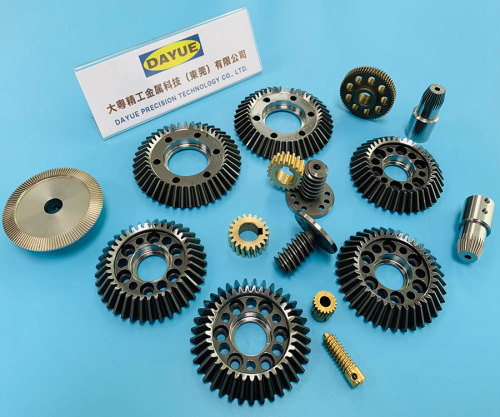
"Turning gears" is a term widely used in various engineering and mechanical systems to refer to a component in a mechanical transmission system that transmits power and changes speed or torque. Mechan
Pin milling and turning are common cutting processes in metal processing, and they have different applications and characteristics in the processing process. Turning is a method of removing material b
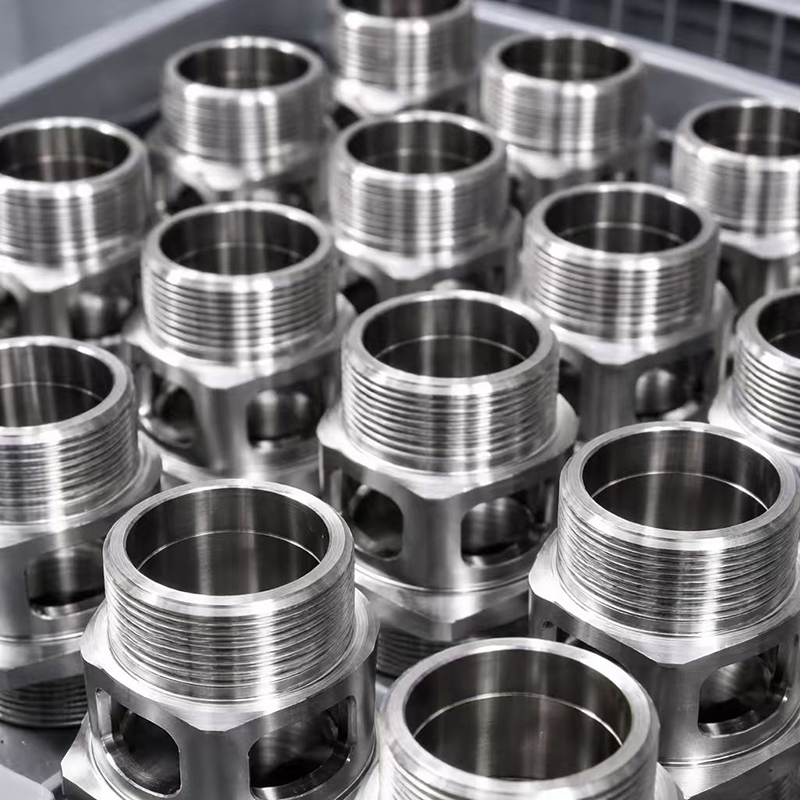
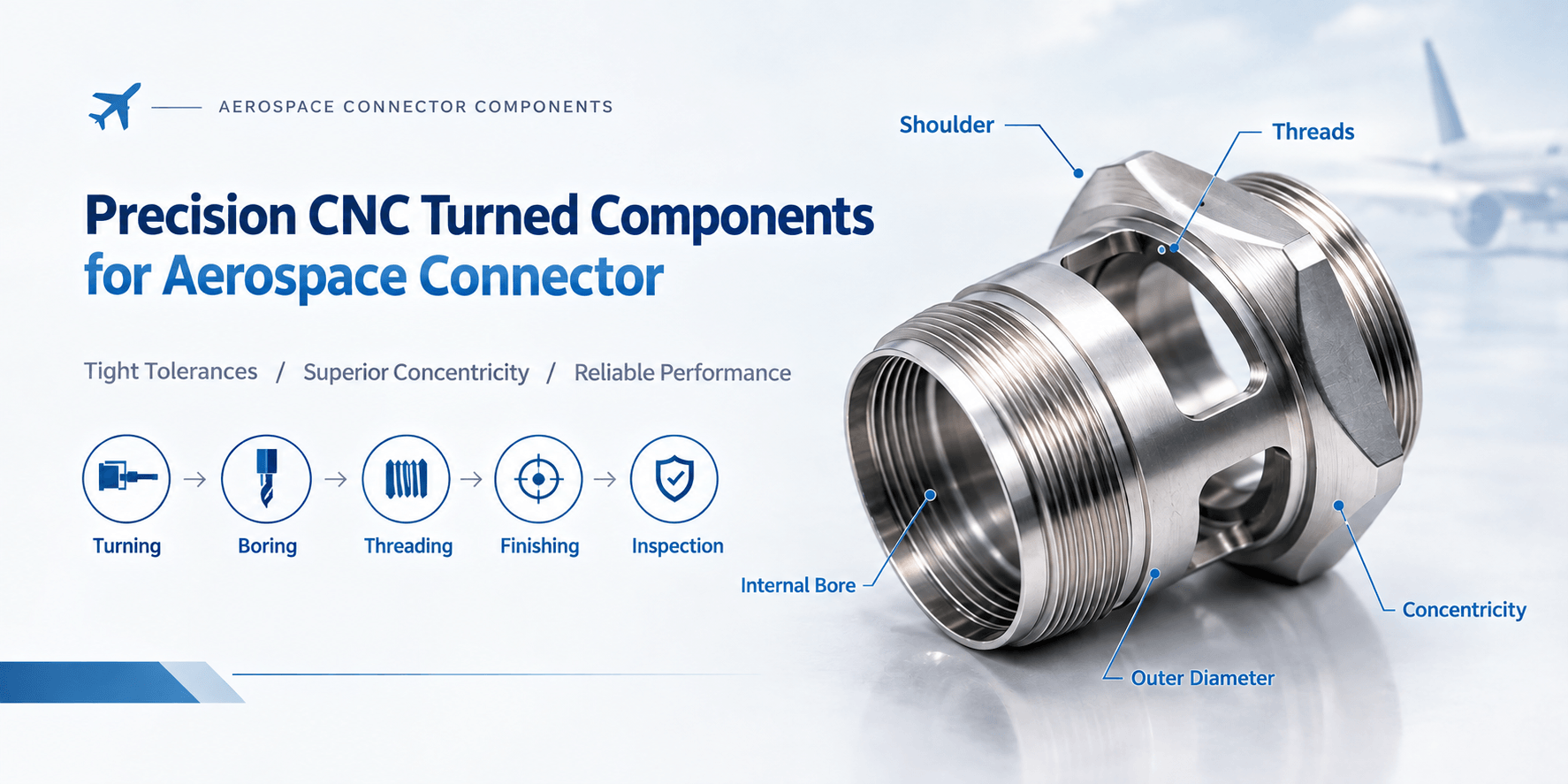
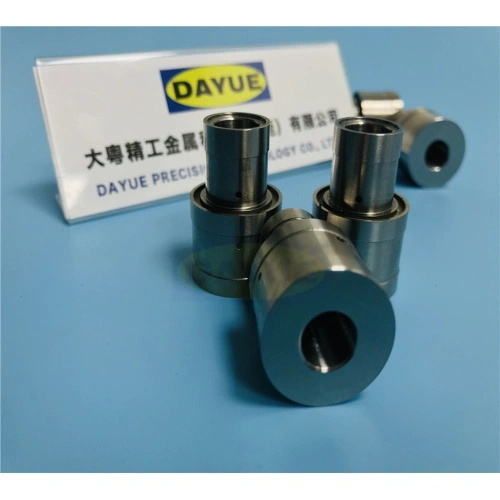
Connector components are often small, but their machining requirements can be demanding. A typical connector housing may combine external diameters, internal bores, threads, sealing grooves, shoulders
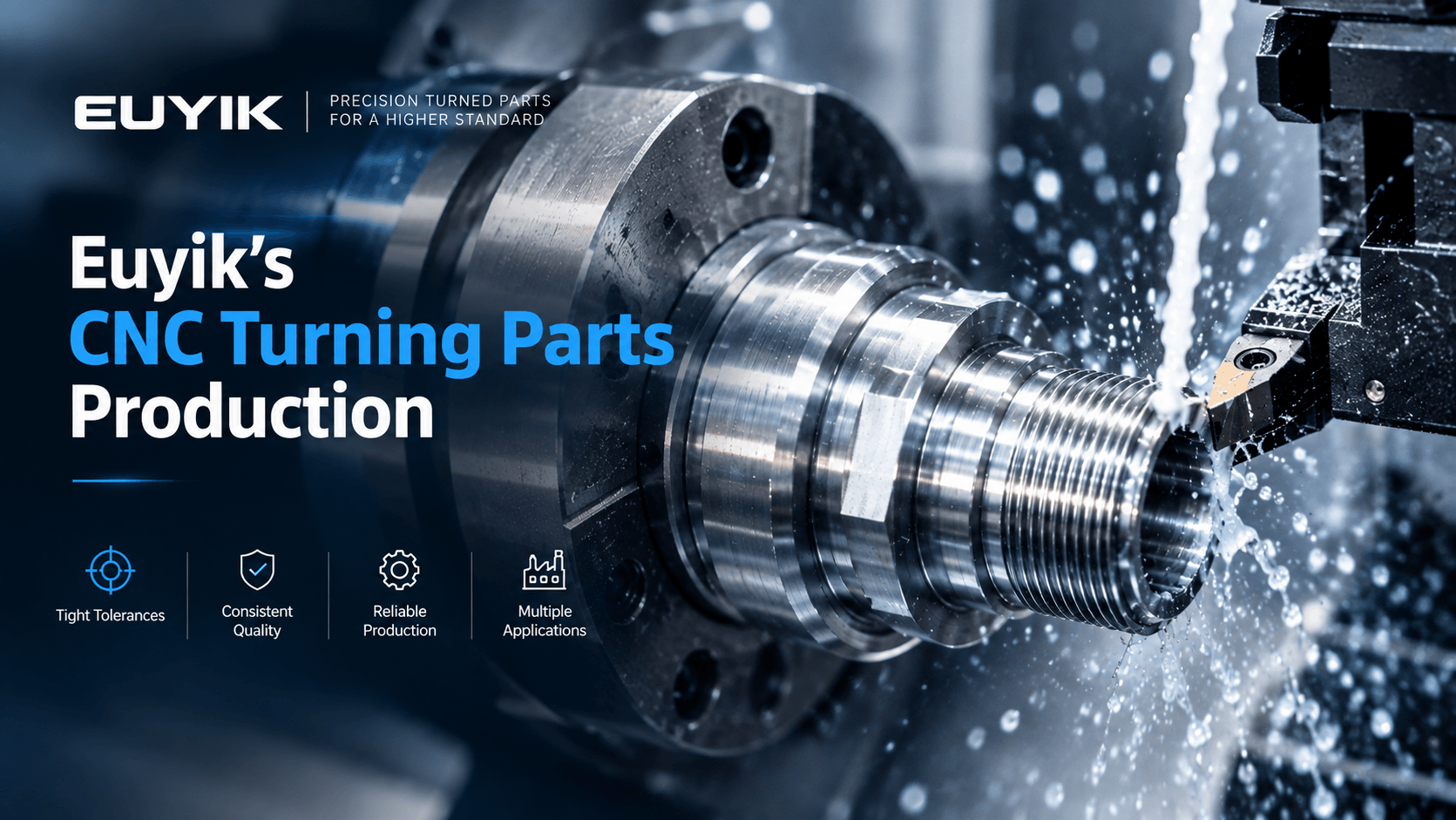
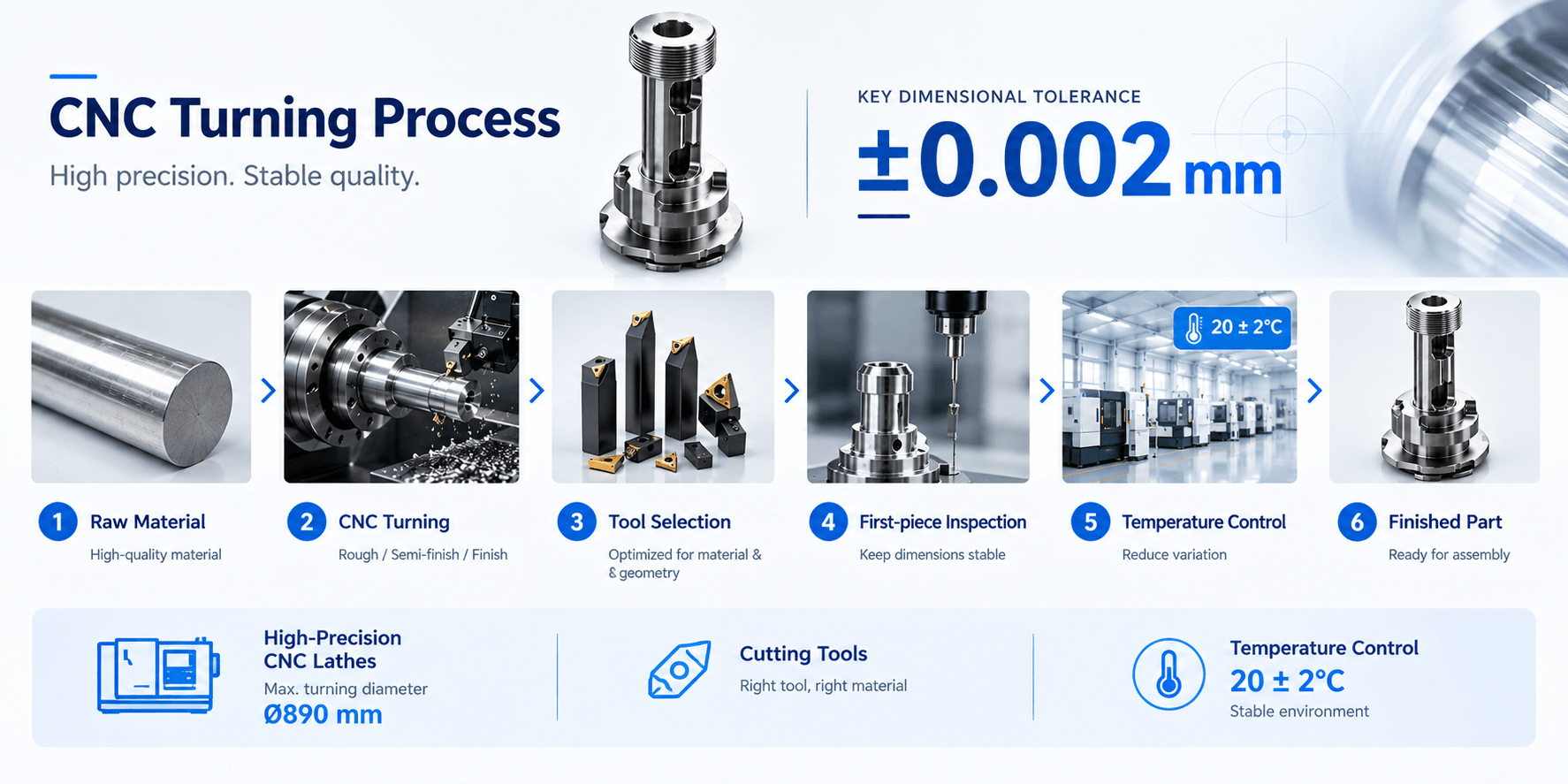
The quality of CNC turned parts depends on the machining process behind them. At Euyik, we focus on the details that directly impact the quality of the finished product: reference point selection, too
A working vehicle turns far more often than it brakes, and the front rim takes that load as repetition rather than as one shock. A wall a little thin, a weld finished a little rough, and after a stret
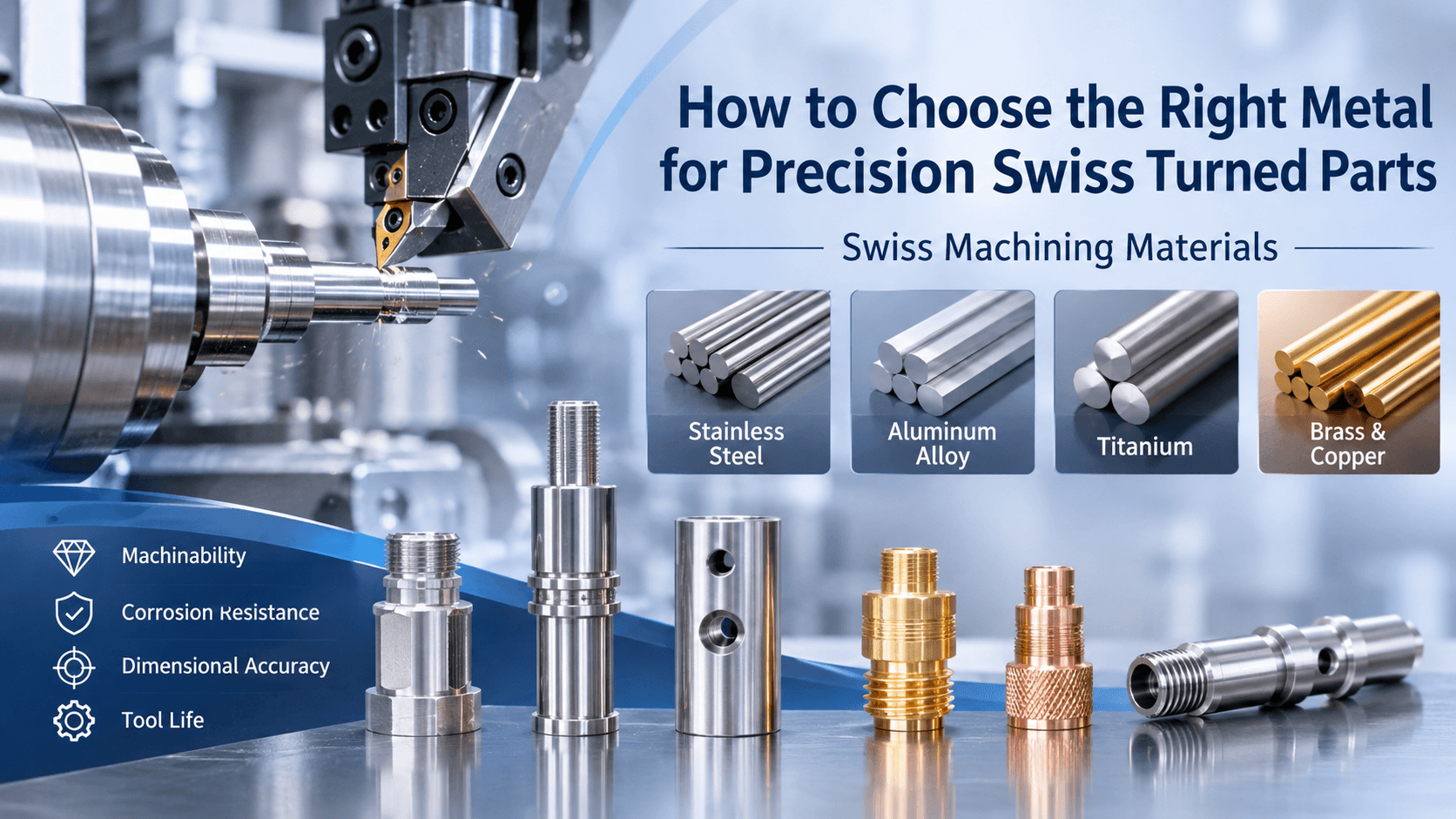
Material selection directly affects the machining process, cutting tool performance, and dimensional consistency of Swiss turned parts . Different metals produce different chip characteristics, cuttin
The development of machining technology of turn-milling compound machine tool has also put forward higher requirements for NC programming technology, which is also a bottleneck in the practical produc
Making one accurate part is only the first step. The real challenge is keeping the same dimensions, fit, and surface quality across an entire production run. At Euyik, CNC turning production is built
Achieving ±0.002 mm accuracy is not simply a matter of buying a high-precision CNC lathe. It requires the right equipment, cutting tools, machining conditions, engineering experience, and inspection s
Scroll down to load more.
Load moreProduct Inquiry