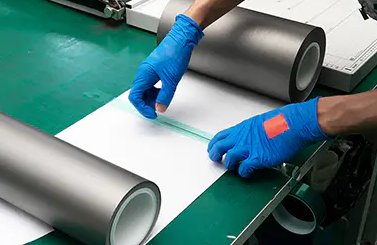
Engineering Application of Absorbing Materials
In the increasingly important stealth and electromagnetic compatibility (EMC) technology, the role and status of electromagnetic wave absorbing materials are very prominent, and they have become the m

In the increasingly important stealth and electromagnetic compatibility (EMC) technology, the role and status of electromagnetic wave absorbing materials are very prominent, and they have become the m
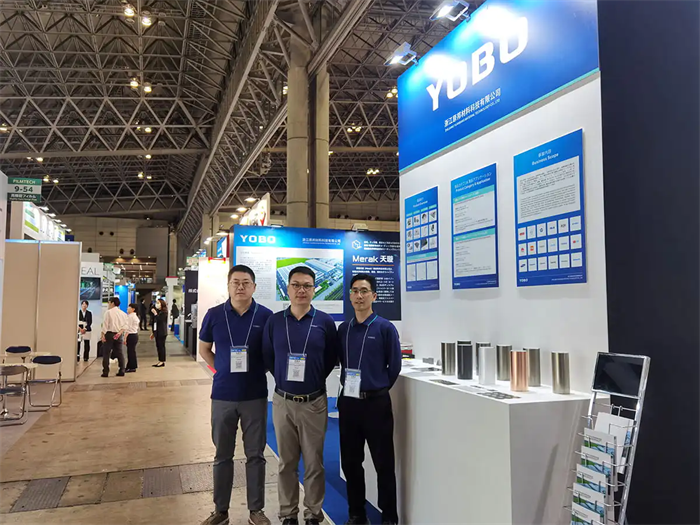
In the golden autumn of October, the 14th Japan International High Performance Materials Exhibition was grandly held at Makuhari Messe in Japan from October 4th to 6th. The exhibition covered everythi
Invar 36 is an alloy containing 35.4% nickel. It has a very low coefficient of thermal expansion at room temperature (the average value is about 1.6×10⁻⁶/℃ between -20°C and 20°C). It is known as the
The impact of electromagnetic radiation environmental pollution on the reliability of electronic products emphasizes the need to ensure the reliability of electronic products. In addition to the produ
In modern wind turbines, the gearbox remains one of the most mechanically demanding subsystems. Despite the continuous increase in turbine size and rated power, many gearbox failures are still linked
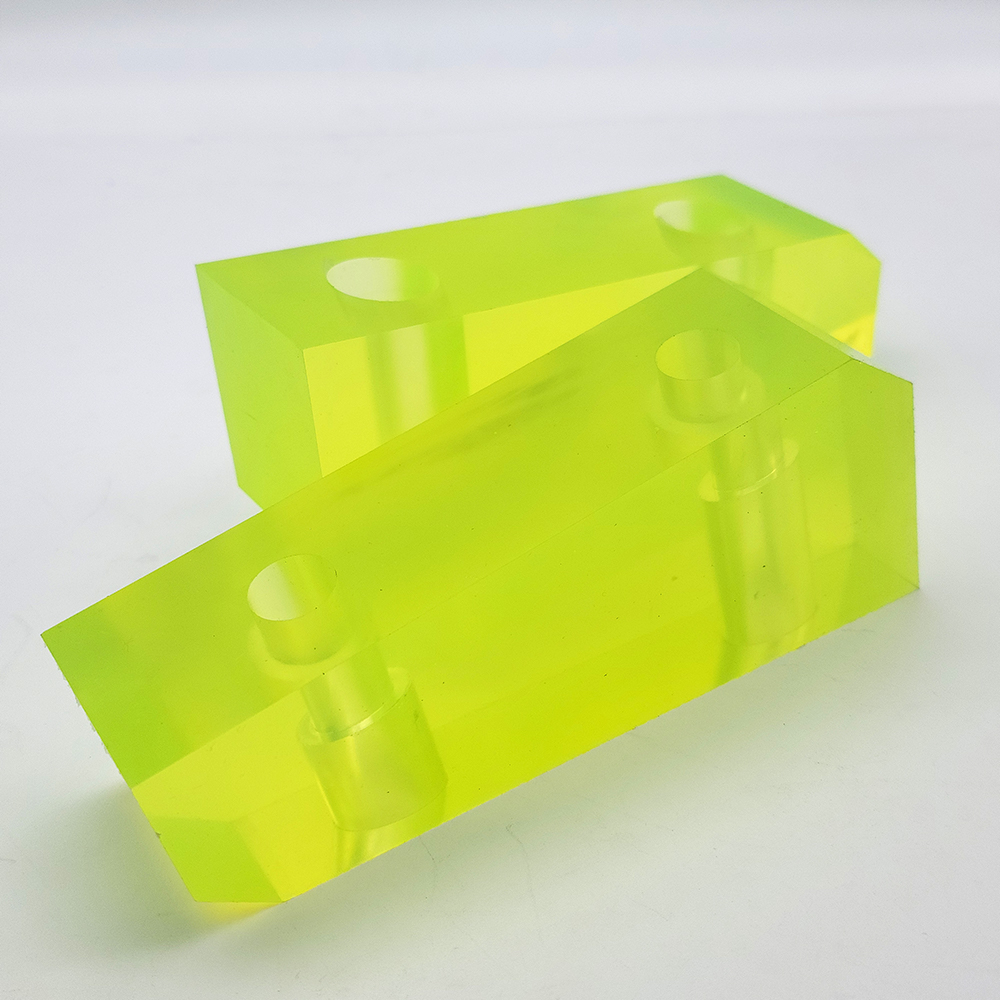
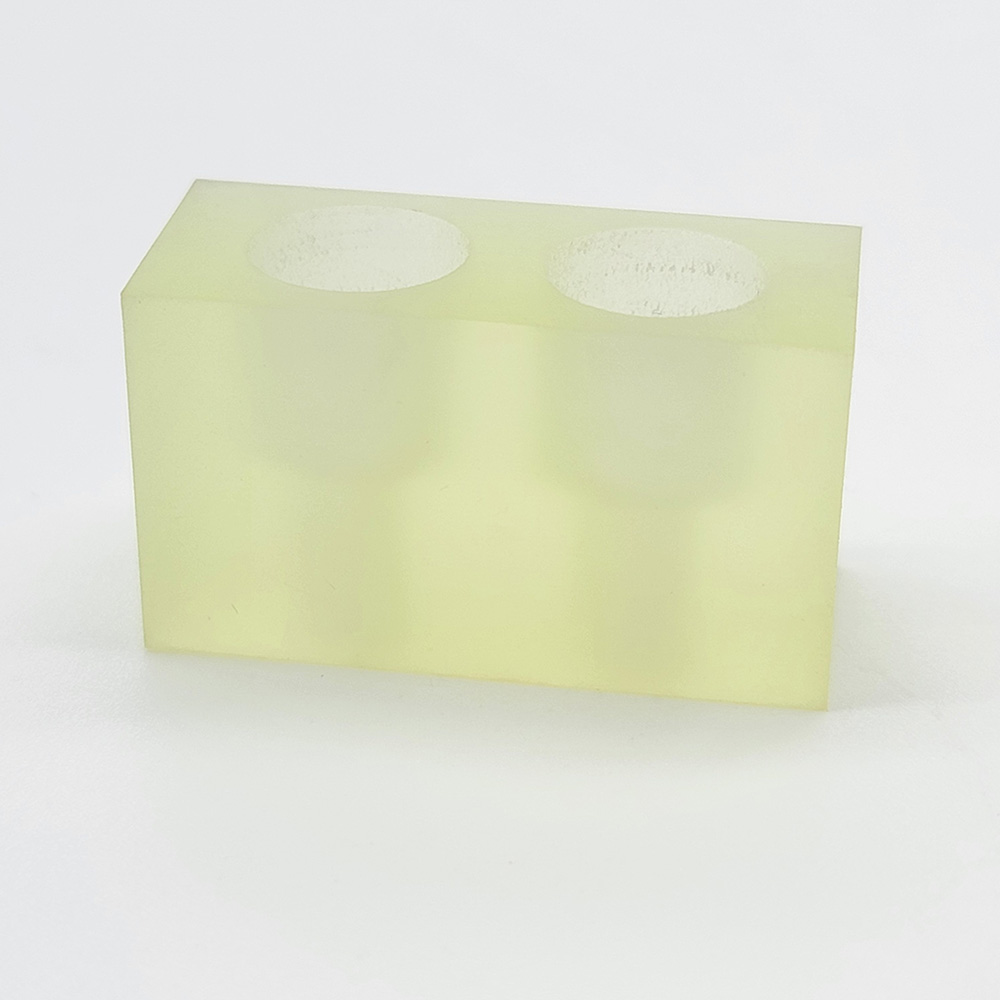
Comparing Round vs. Square Shock Absorbing Components in Industrial Applications Shock absorbing materials are essential in machinery, transportation systems, and structural equipment to mitigate impa
Vibration and impact forces are unavoidable in modern industrial machinery. Left unchecked, these forces can shorten equipment lifespan, reduce accuracy, and even cause safety risks. In this context,
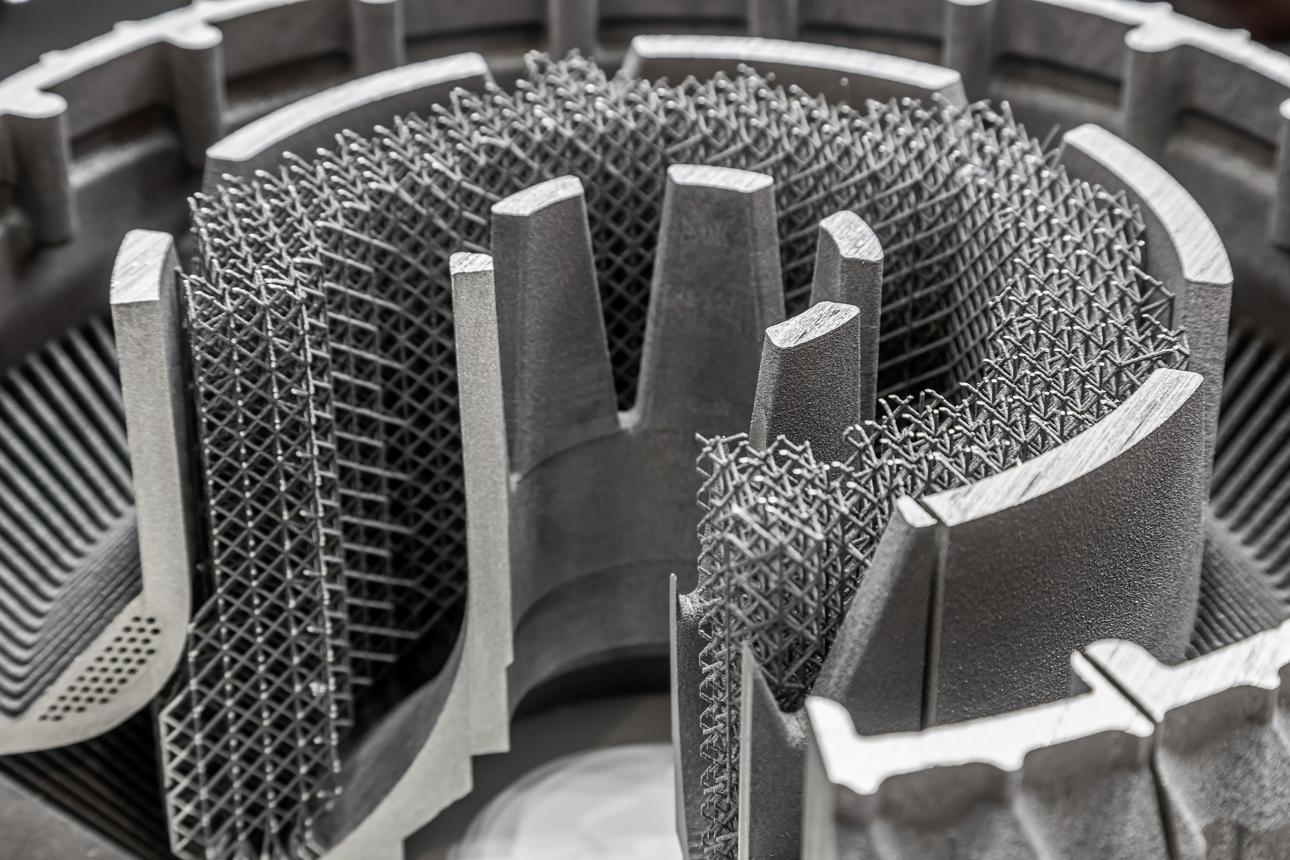
Lattice structures look great in CAD renderings. But inside machine parts, they are a different story. Many engineers and buyers want lighter brackets, grippers, or tooling. But they are often unsure
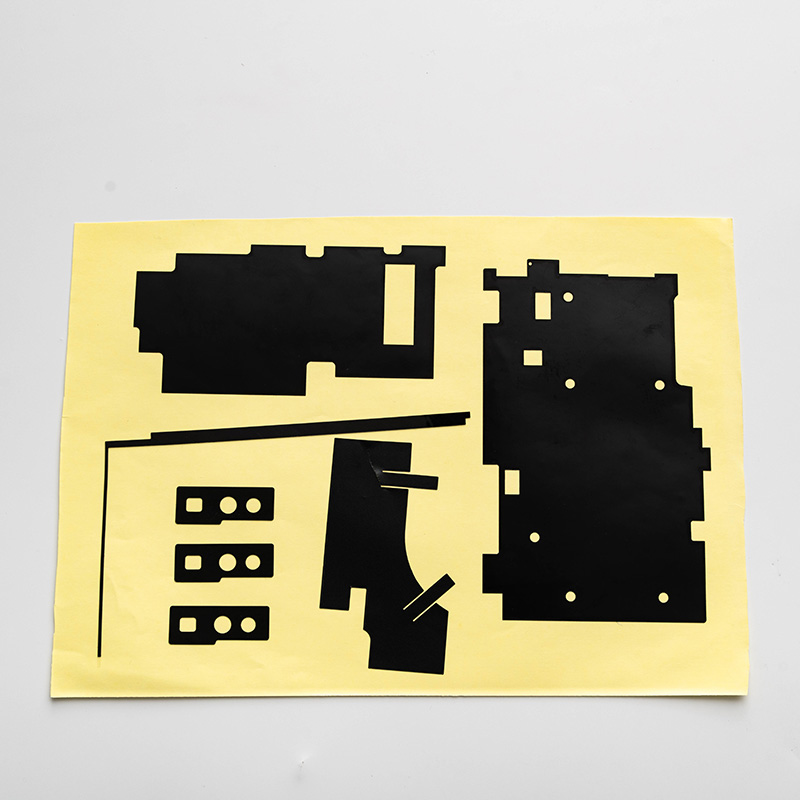
Release material Release materials are generally used in die-cutting for isolation, filling, protection, tape release, product cover, etc., and have the advantage of being easy to peel off. During use
Solar mounting fabrication succeeds or fails on two numbers nobody argues about: 25 years of corrosion resistance and ±1 mm of dimensional consistency across thousands of parts — and the second one is
Scroll down to load more.
Load moreProduct Inquiry