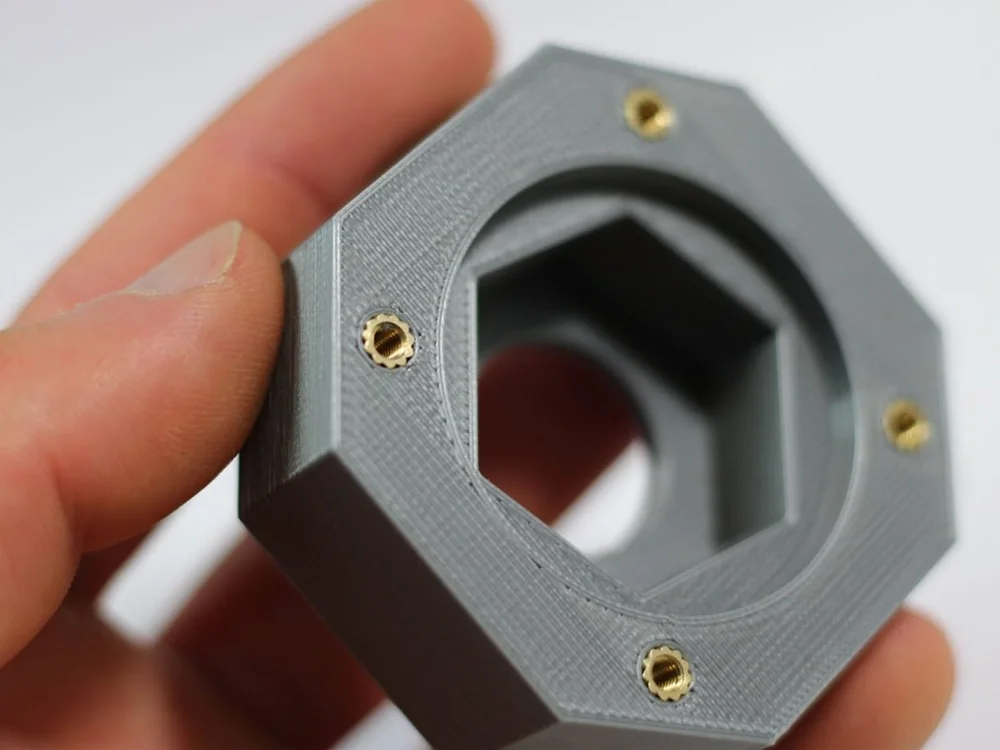
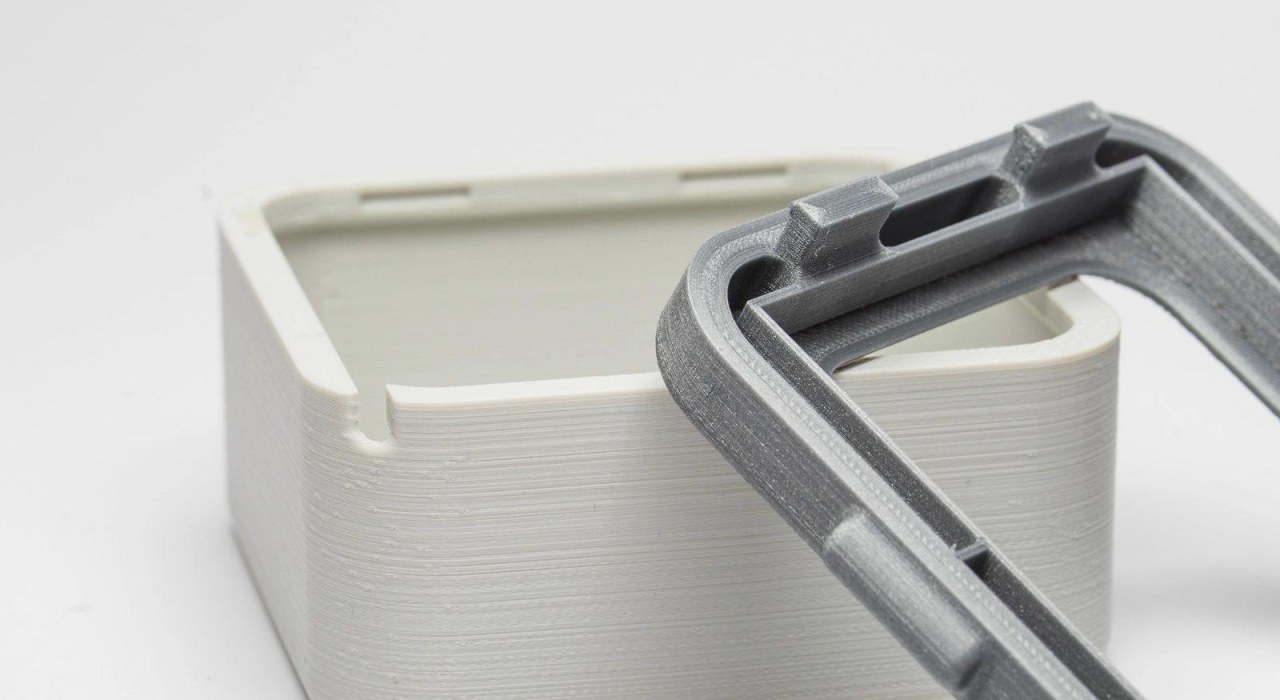
A thread that looks perfect in CAD can still cause problems when the screw is screwed in. Insufficient clearance, threads that are too thin, material shrinkage, wrong print orientation, repeated assem
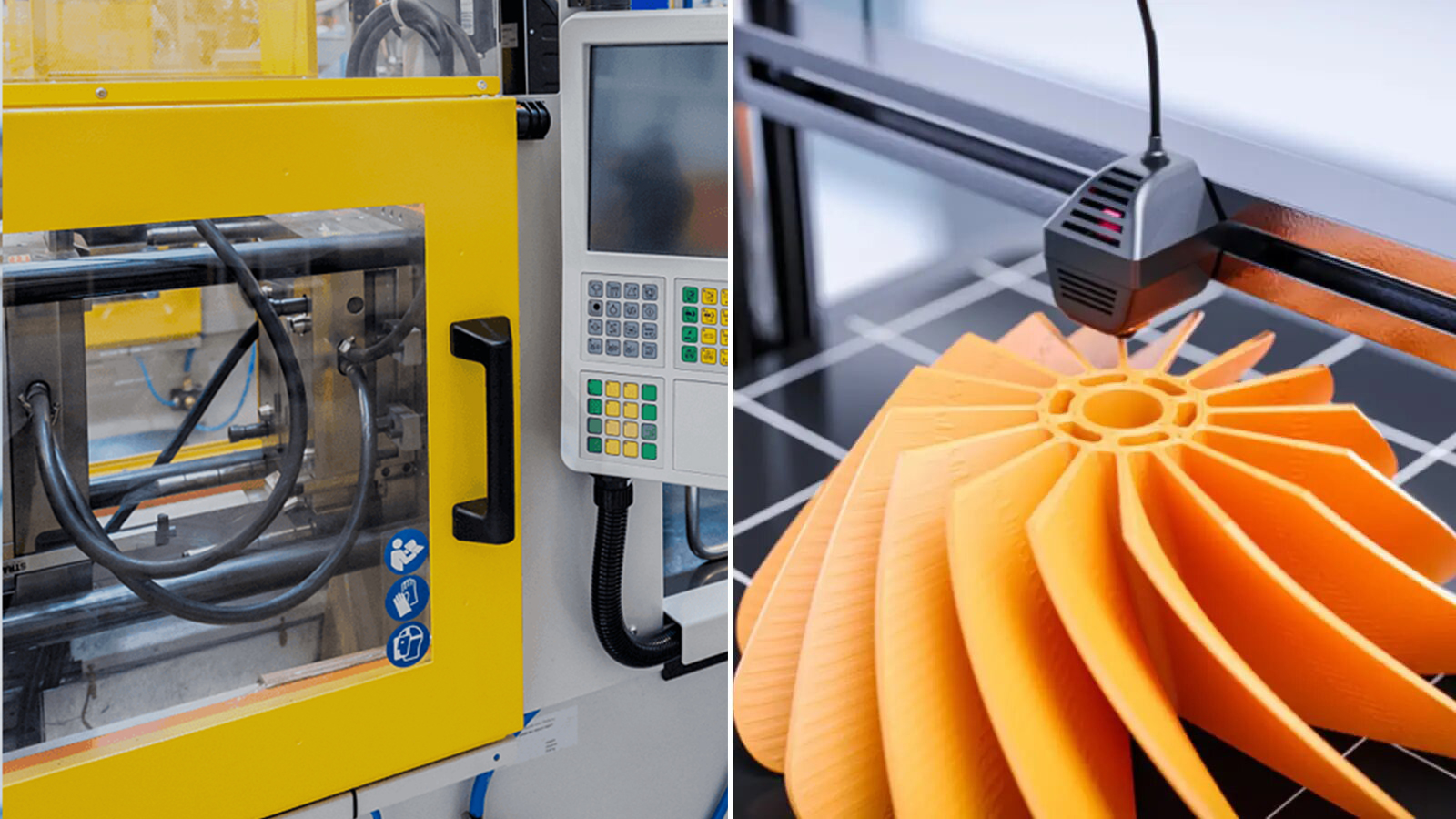
Unlocking the Potential: Injection Molding vs. 3D Printing In today's manufacturing landscape, companies have more options than ever to produce parts from a wide range of materials. When it comes to p
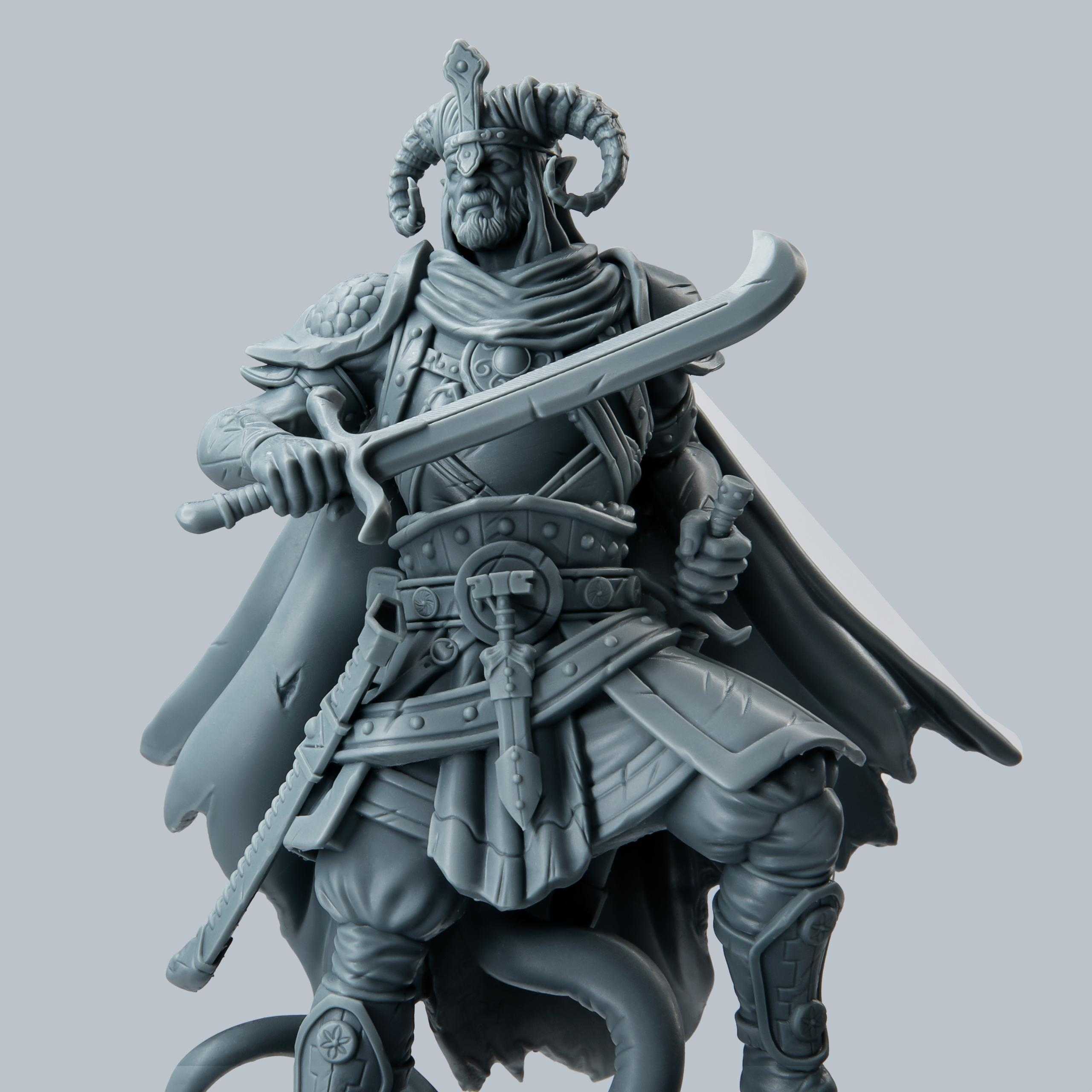
3D printed figurine models may come out with breaks, blurry faces, and visible seams. If you run a collectibles brand, sell tabletop miniatures, or make scale models for clients, these problems should
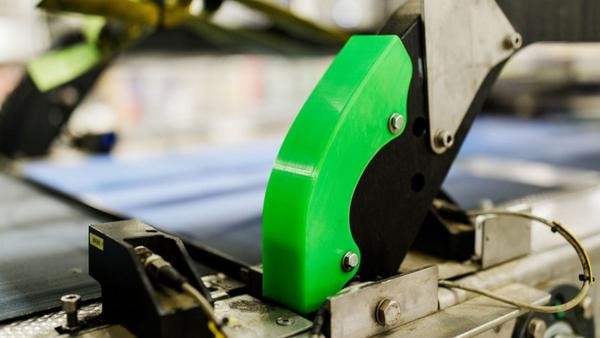
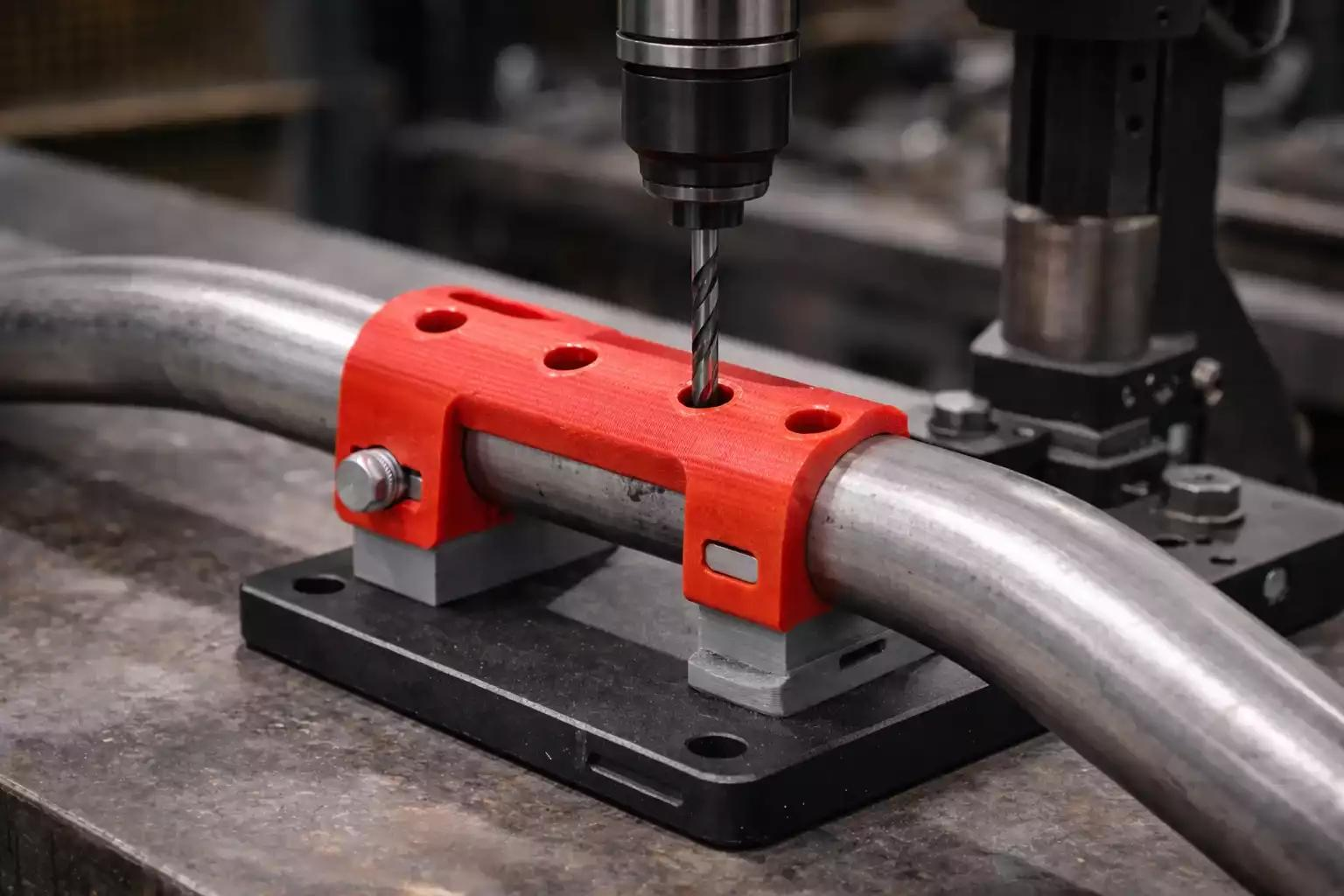
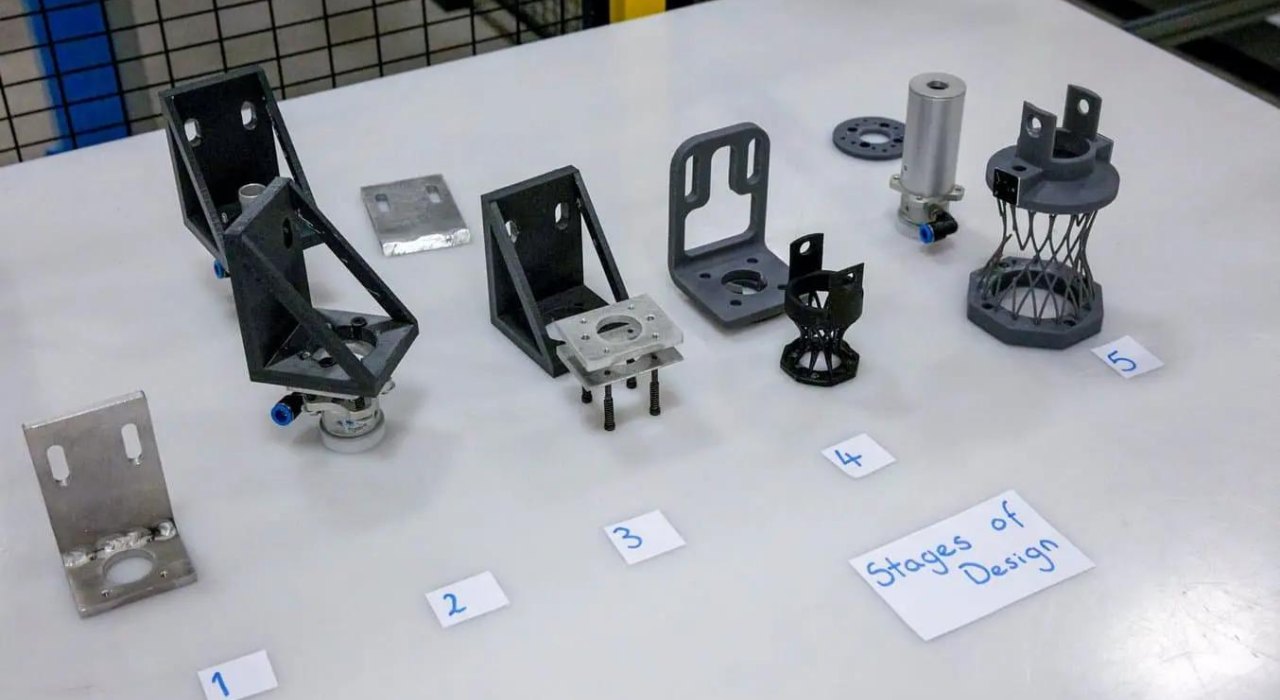
Automation equipment projects involve a large number of non-standard parts. These parts need to go through design, testing and modification before the production line can run at full speed. When non-s
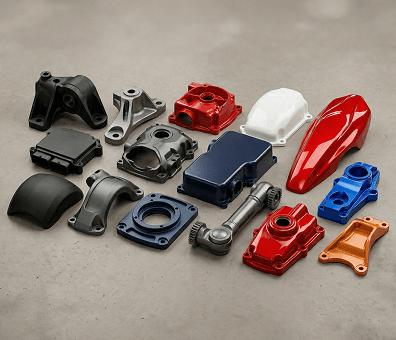
Choosing the wrong surface finish wastes budget and extends lead time. The parts you receive may also look very different from what you expected. When sourcing 3D printed parts for prototypes, product
If you are involved in the design or maintenance of mechanical equipment, you know very well how much time is spent finding custom parts, waiting for molds, or dealing with discontinued components. Th
Traditional sand casting starts with a pattern tool — often weeks of lead time before the first pour. 3D printed sand mold technology removes that bottleneck, letting engineers go from CAD to a cast m
When sourcing functional 3D printed parts, material choice directly determines how the part performs in real working conditions. The strength, heat resistance, chemical resistance, wear resistance, an
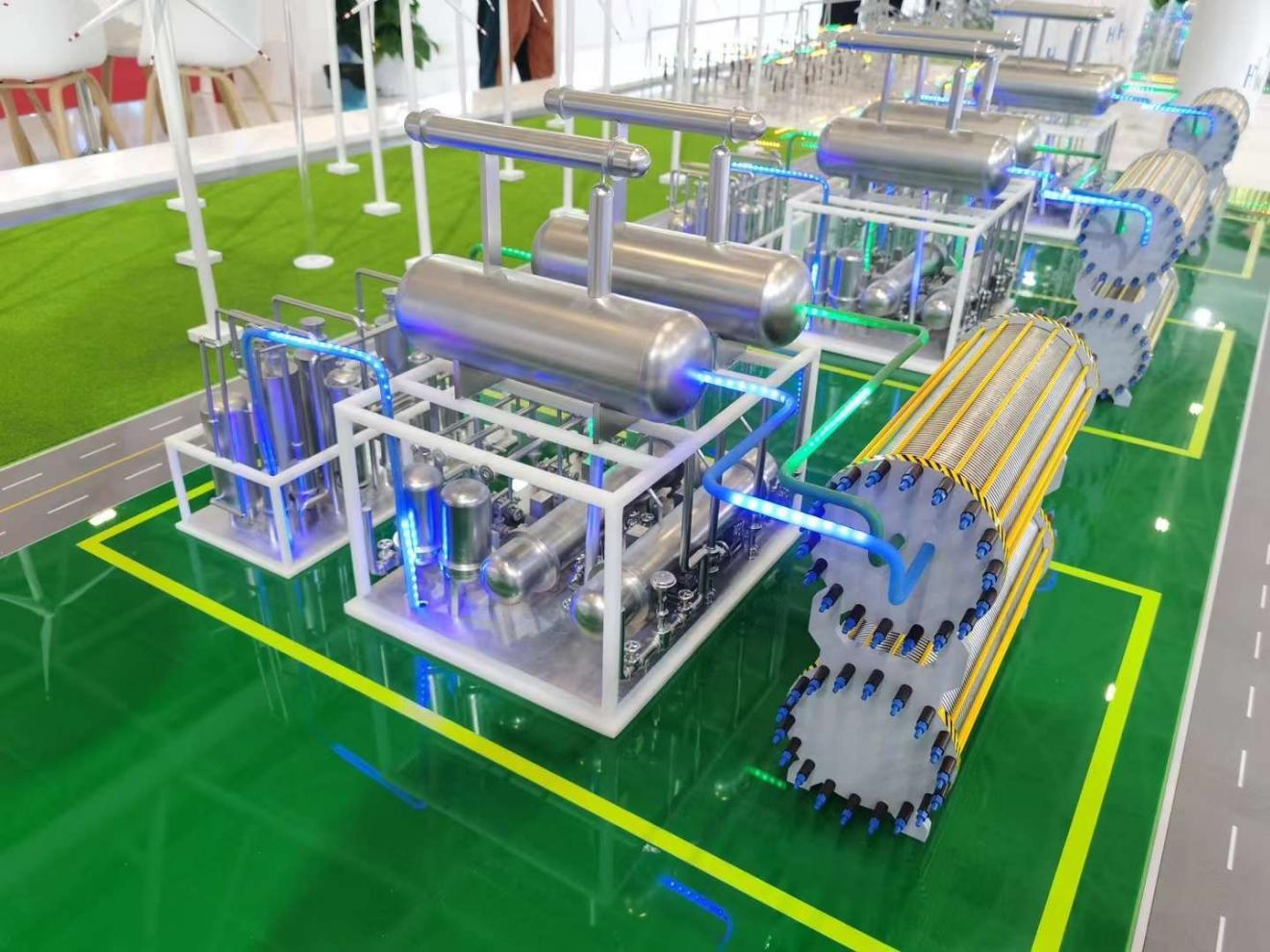
When printing equipment models, costs can easily get out of control if the purpose is not discussed clearly in advance. Some teams print the entire machine at the highest level of detail, only to real
Parts look fine in CAD, but they won't fit on the workbench. Pins won't go into holes. Covers won't close. Whether you design products, buy samples, or arrange low-volume production, these problems co