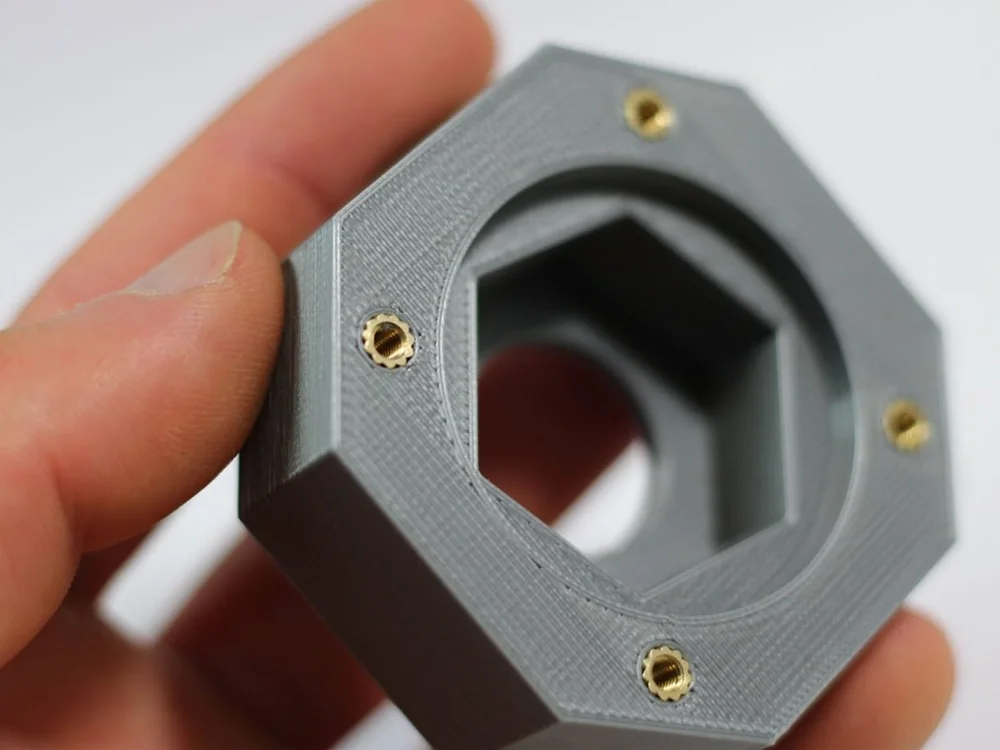
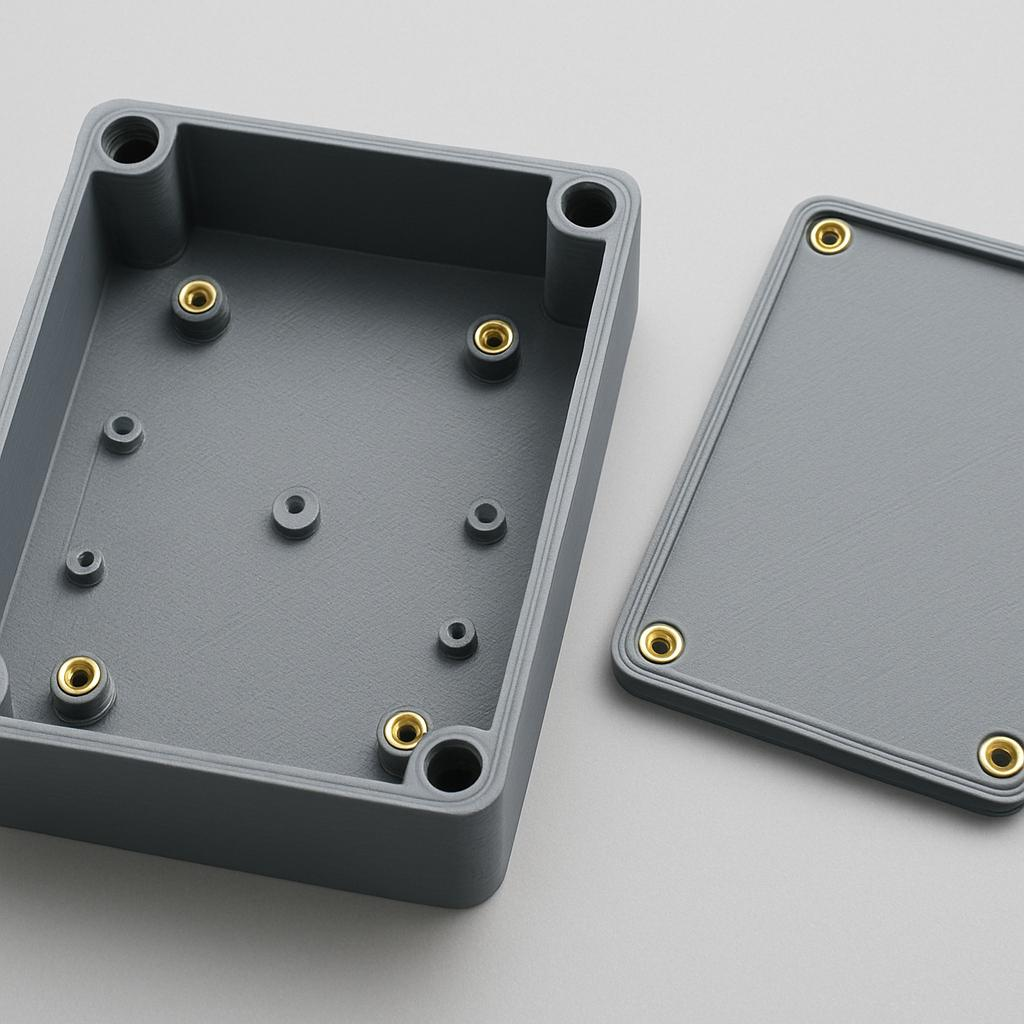
A thread that looks perfect in CAD can still cause problems when the screw is screwed in. Insufficient clearance, threads that are too thin, material shrinkage, wrong print orientation, repeated assem
Injection Molding Injection molding is a common method for mass producing parts. It involves injecting molten plastic into a mold and cooling it to form the final product. This method is known for its
The renewable energy industry is developing fast, and supporting equipment must keep up. If you design, manufacture, or maintain solar panels, wind turbines, battery systems, or hydrogen equipment, yo
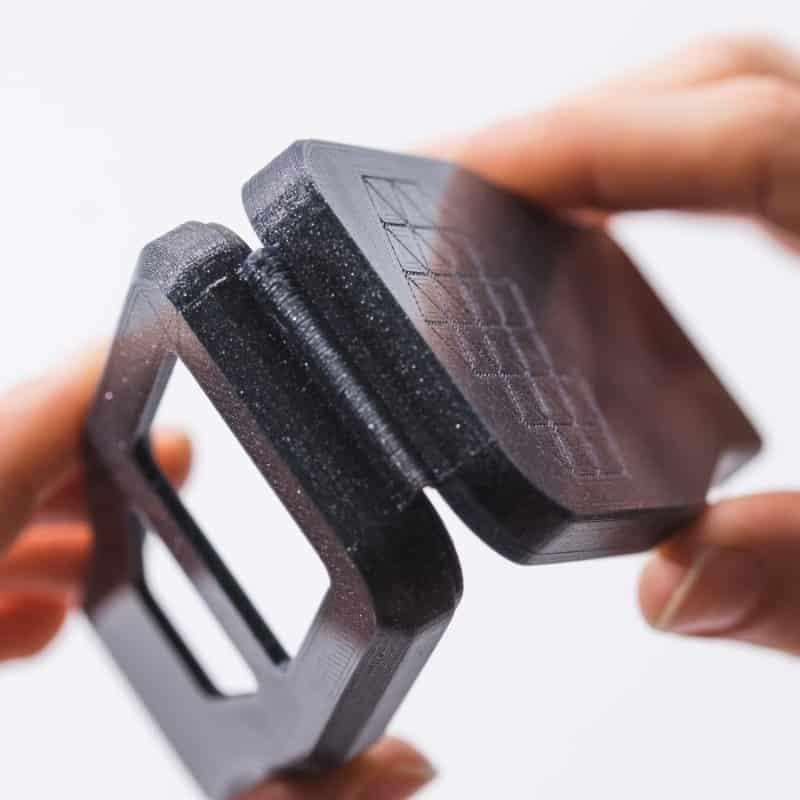
Living hinges let a lid or cover bend and spring back without using separate pins or fasteners. This reduces part count, assembly steps and cost. But if the thickness, material or print orientation is
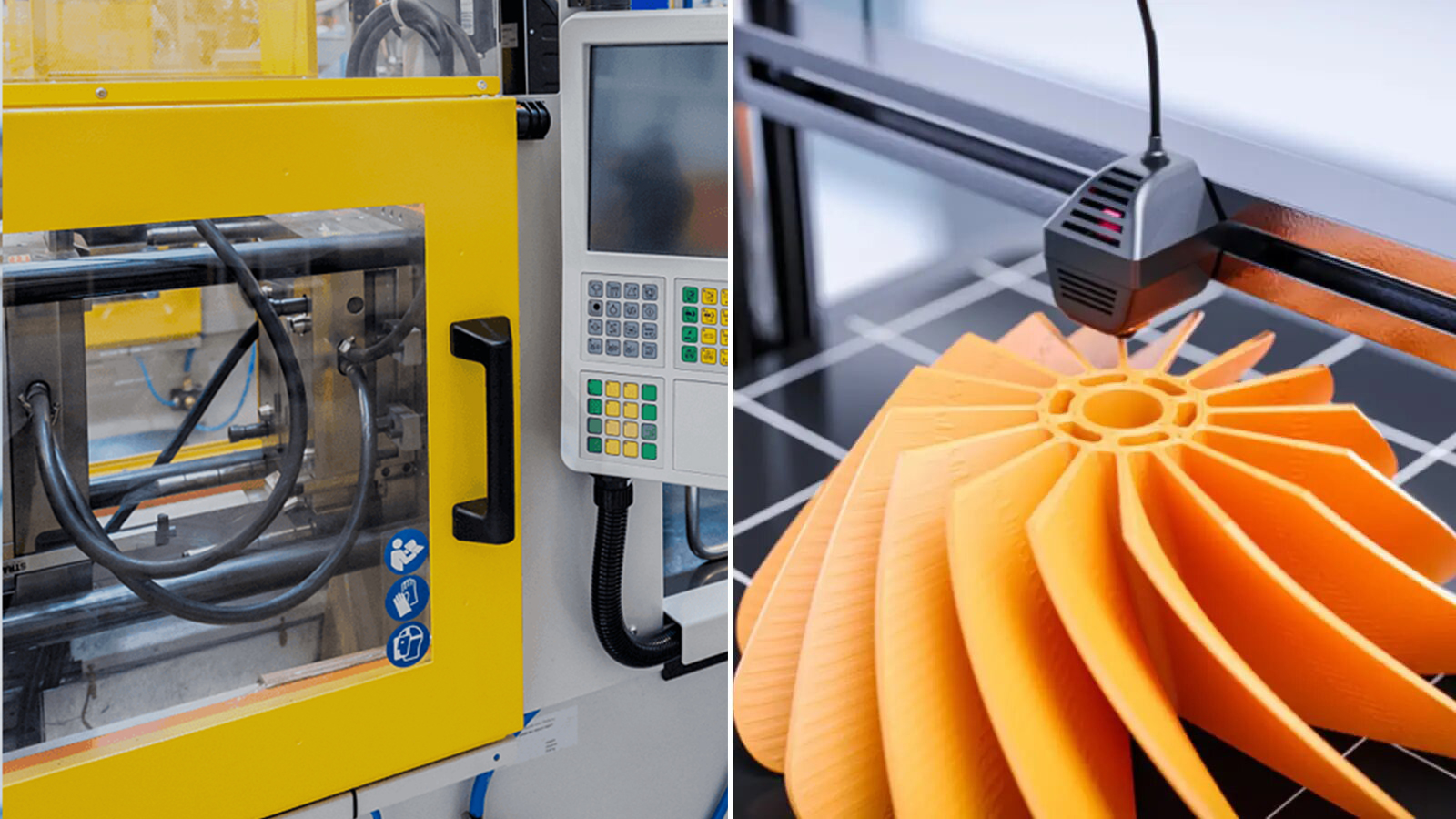
Unlocking the Potential: Injection Molding vs. 3D Printing In today's manufacturing landscape, companies have more options than ever to produce parts from a wide range of materials. When it comes to p
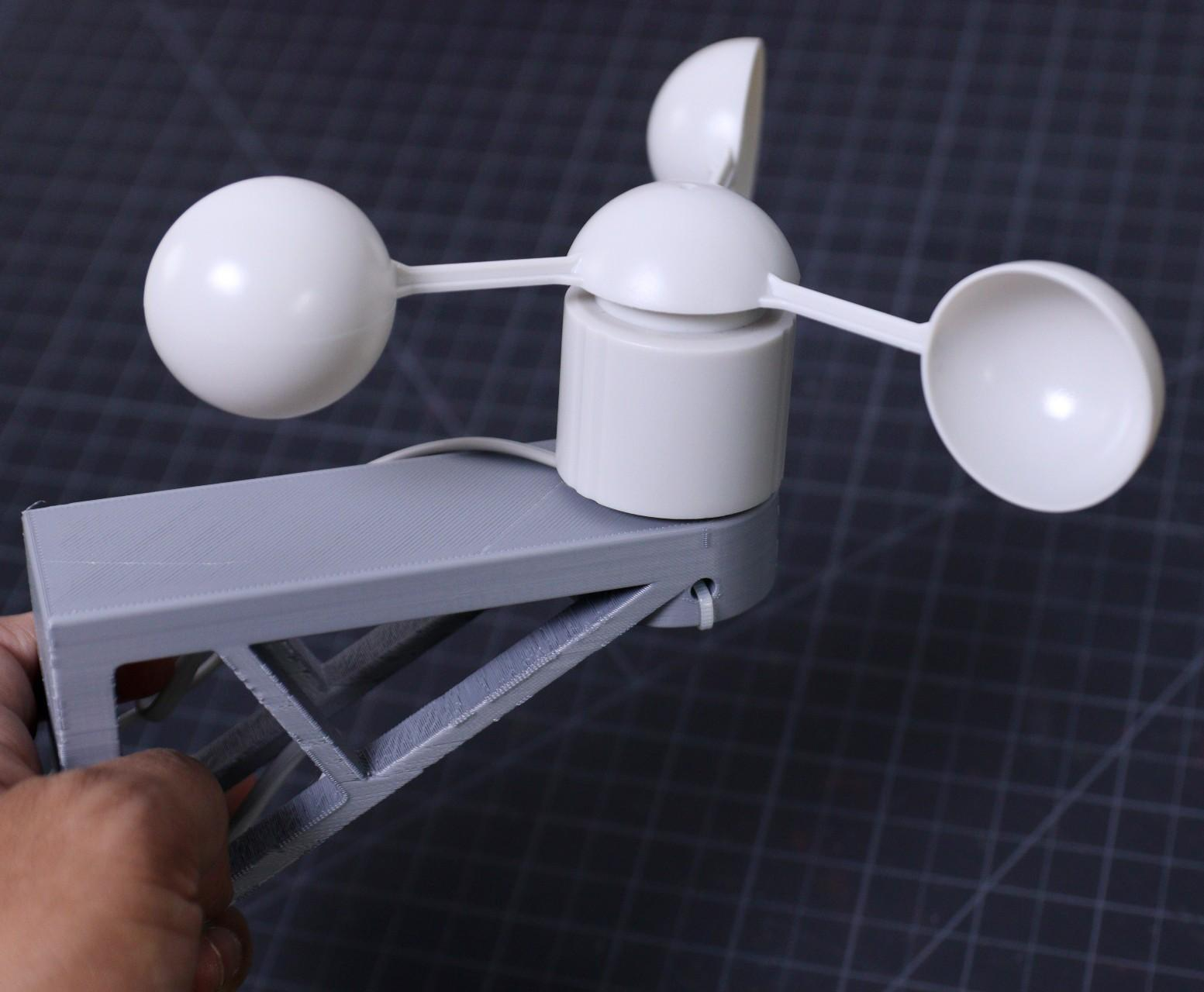
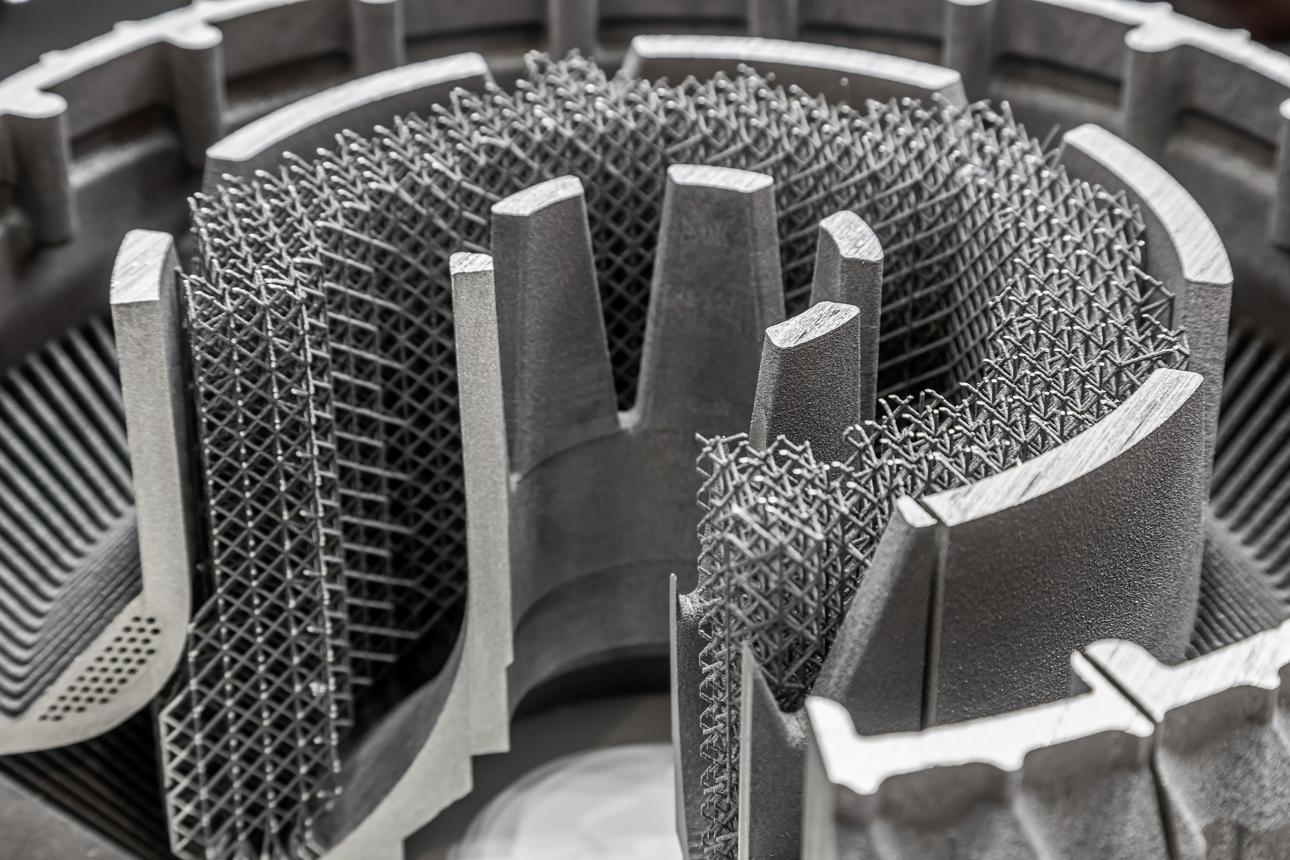
Lattice structures look great in CAD renderings. But inside machine parts, they are a different story. Many engineers and buyers want lighter brackets, grippers, or tooling. But they are often unsure
3D printing mould technology is an important innovation direction in the injection moulding industry in recent years, it subverts the traditional mould processing mode through Additive Manufacturing,
The oil and gas industry is one of the largest in the world as it is an important component of the energy industry, with global oil production of approximately 4.2 billion tons in 2021. Although many
Most 3D printed parts can now easily achieve lightweight structures, complex geometries and fast delivery. The most common problem is threads. Once a part needs repeated assembly and disassembly, high
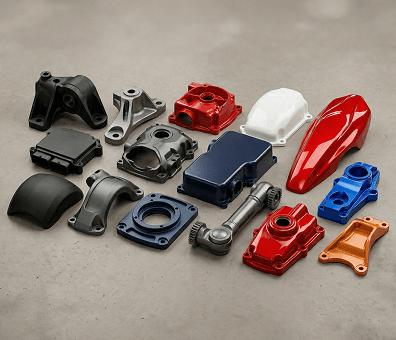
Choosing the wrong surface finish wastes budget and extends lead time. The parts you receive may also look very different from what you expected. When sourcing 3D printed parts for prototypes, product