
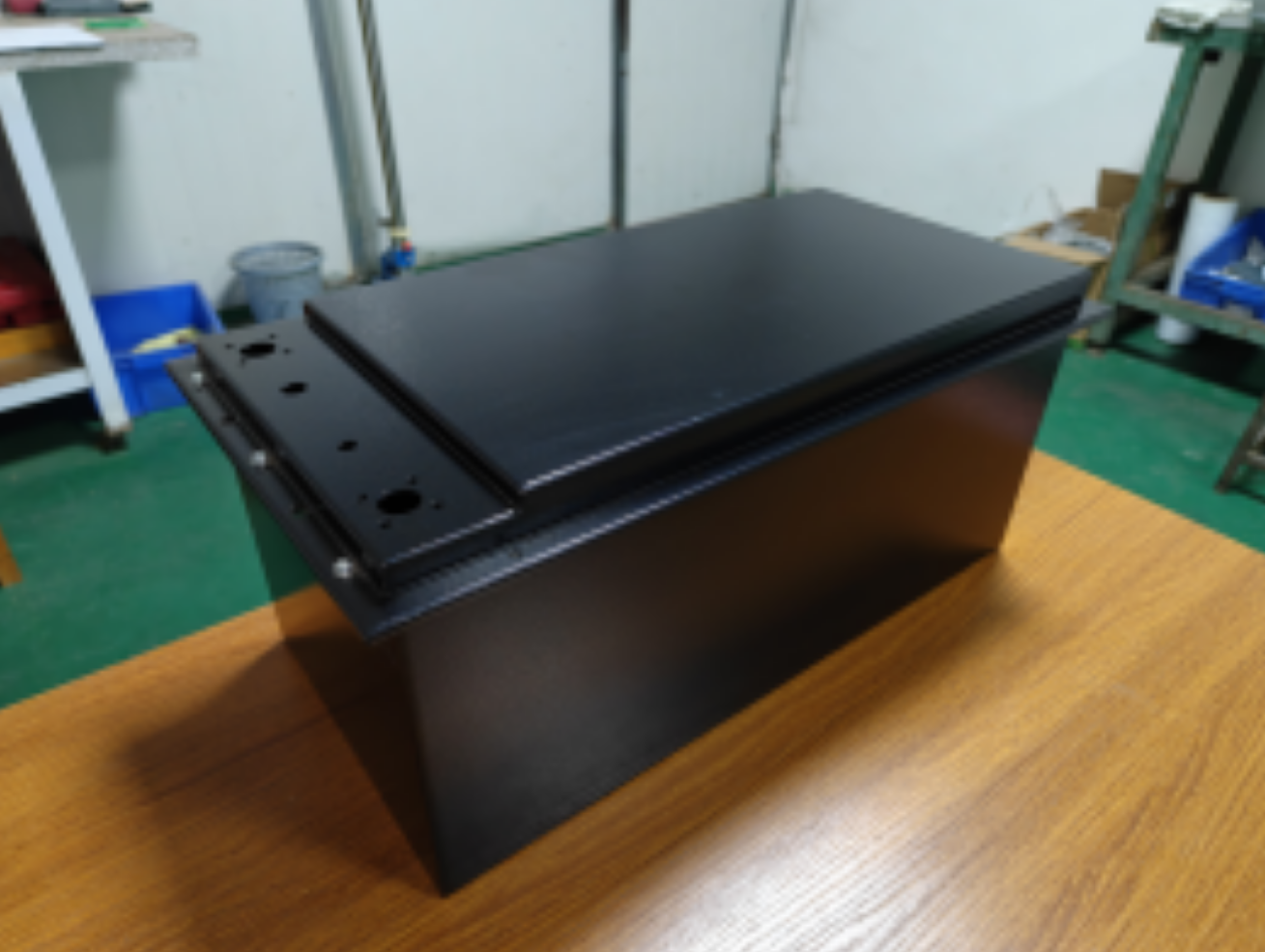
I. Basic Introduction: Core Definition and Key Characteristics of Sheet Metal Processing
First of all, it is important to clarify that sheet metal processing is a cold working process for thin metal sheets (usually with a thickness of less than 6mm). Its core is to process the sheet into the desired shape through a series of physical deformations (rather than melting or cutting), and the thickness of the sheet basically does not change or only changes slightly during the whole process, which is also the key feature that distinguishes it from other metal processing. Compared with traditional metal processing, sheet metal processing has the advantages of high precision, fast efficiency, low cost, and flexible shaping. It can not only realize small-batch customization but also meet the needs of mass production. Therefore, it is widely used in many fields such as automobiles, smart homes, electronic equipment, and industrial machinery.
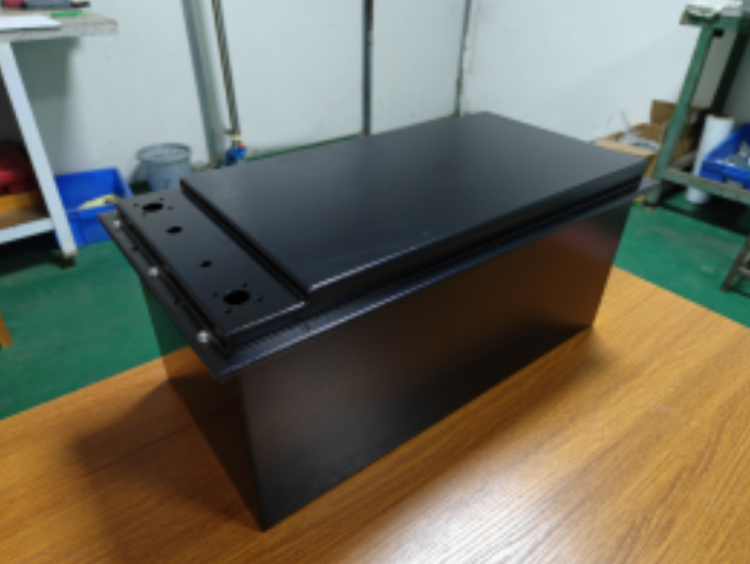
II. Source Control: Common Materials and Selection Skills for Sheet Metal Processing
Materials are the foundation of sheet metal processing. The differences in the properties of different materials directly determine the performance, use, and cost of the finished product. Choosing the right material is the first step to ensuring processing quality. The following are several commonly used materials in sheet metal processing, which beginners can choose according to their needs.
1. Cold Rolled Steel Sheet (SPCC)
This is the most basic and commonly used sheet metal material. It is made of hot-rolled steel sheet through cold rolling. It has the characteristics of uniform thickness, flat surface, excellent processing performance (easy to bend, weld, and punch), and low cost. The disadvantage is that it has no anti-rust layer itself and is easy to oxidize in a humid environment. Therefore, after processing, surface treatment such as spraying and electrophoresis is usually required to improve corrosion resistance. It is mainly used for products with low requirements on surface corrosion resistance and emphasis on economy, such as distribution box casings, internal equipment structural parts, and ordinary hardware.
2. Galvanized Steel Sheet (SECC/SGCC)
Taking cold-rolled steel coil as the base material, after degreasing and pickling, a zinc layer is covered by electroplating (SECC) or hot-dip galvanizing (SGCC). With the "sacrificial anode" protection effect of zinc, the corrosion resistance is greatly improved, while maintaining good processability. Among them, SECC has a bright surface and is suitable for indoor scenes; SGCC has a thicker galvanized layer and stronger corrosion resistance, which is suitable for outdoor or mild corrosion environments. It is often used in chassis cabinets, household appliance structural parts, electrical boxes and other products.
3. Stainless Steel
Because the chromium content is not less than 10.5%, a dense passive film can be formed on the surface, which has excellent corrosion resistance and high mechanical strength. It is a commonly used material for mid-to-high-end sheet metal products. Common grades are divided into three categories: SUS304 has the best comprehensive performance, good corrosion resistance and heat resistance, no magnetism, and is often used in kitchenware, medical equipment, and food industry equipment; SUS301 has high strength and good elasticity, suitable for making spring pieces and connectors; SUS430 is magnetic, with slightly lower corrosion resistance than 304, but lower cost, mostly used for household appliance appearance parts and decorative purposes.
4. Aluminum Alloy
It has low density (about 2.7g/cm³), light weight, corrosion resistance, and easy forming, which is suitable for scenes requiring high lightweight. Pure aluminum sheets (such as 1060) have good ductility, suitable for deep drawing and stretching processing, and are often used in heat sinks, nameplates, and interior parts; alloy aluminum sheets (such as 5052 and 6061) have better mechanical properties. 5052 has strong corrosion resistance and is suitable for ship and vehicle parts; 6061 can be strengthened by heat treatment and is often used for structural parts and load-bearing parts.
5. Other Special Materials
In addition to the above commonly used materials, special materials such as copper sheets, titanium sheets, and tinplates are also used in sheet metal processing. Among them, copper has outstanding electrical and thermal conductivity and is mainly used for electrical components and heat sinks; titanium sheets have excellent corrosion resistance and are mostly used in aerospace and medical fields; tinplates are non-toxic and have good sealing performance, and are often used for food packaging cans. Such materials are difficult to process and have high costs, mainly used for special scene requirements.
In summary, the core principle of material selection is to combine the working environment (corrosion, temperature), mechanical requirements (strength, elasticity), functional requirements (electrical conductivity, thermal conductivity) and cost budget of the finished product to achieve a balance between performance and economy.
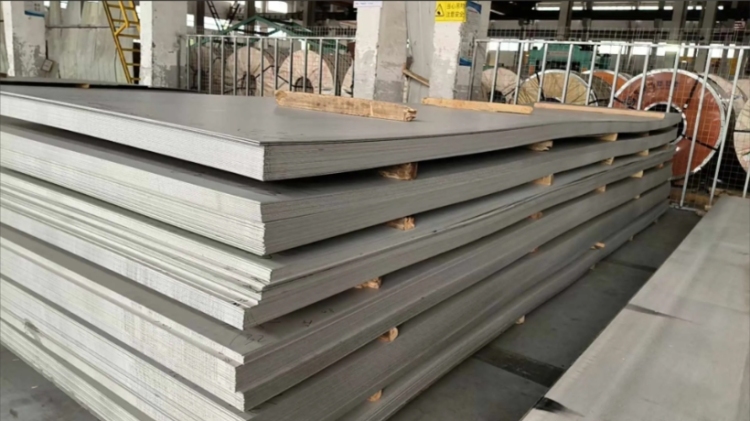
III. Core Process: Complete Disassembly of 7 Steps from Flat Sheet to Finished Product
Sheet metal processing is not a single process, but a complete process of "design - blanking - forming - connection - surface treatment - inspection - packaging". Each step has strict standards, which are interlocking and directly affect the precision and quality of the finished product. Below, we will detailedly analyze the core points of each step in order.
Step 1: Drawing Design and Unfolding (The "Blueprint" of Processing)
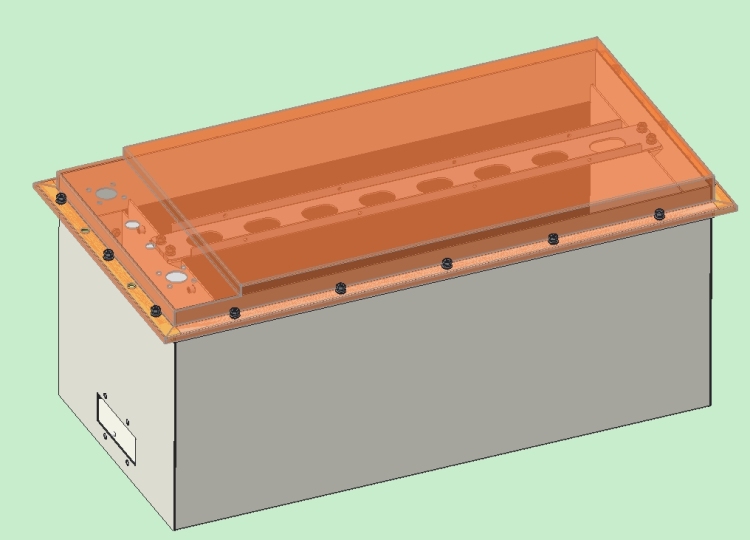
Any sheet metal processing starts with drawing design, which is the premise to ensure that the finished product meets the requirements. Usually, engineers draw 3D models and 2D processing drawings using design software such as CAD according to customer needs (samples or parameters). The core is to complete the "sheet metal unfolding"—disassemble the three-dimensional finished product structure into a flat sheet metal unfolding drawing, and mark key parameters such as dimensions, bending angles, hole positions, and tolerances to avoid deviations in subsequent processing. For complex structures, the processing process will also be simulated by software to avoid problems such as interference and cracking in advance and ensure processing feasibility.
Step 2: Blanking (Cutting "Raw Materials" with Precision)
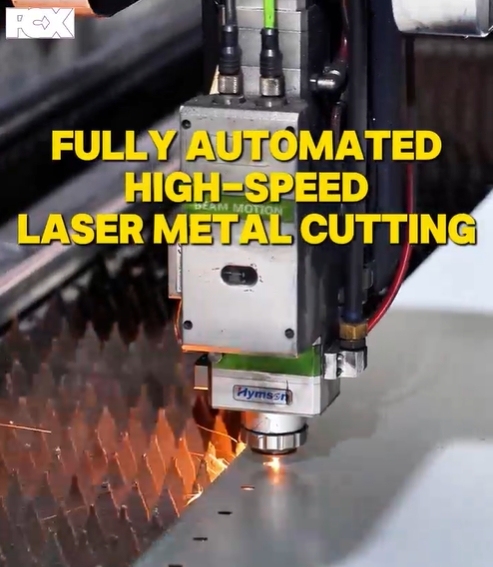
Blanking is the process of cutting the entire metal sheet into the required small pieces according to the size of the unfolding drawing, which is equivalent to the "cutting" link of the "metal tailor" and is the basic process of processing. At present, there are 3 mainstream blanking methods, each with applicable scenarios. Laser cutting is one of the most commonly used blanking methods at present. It uses high-energy laser beams to melt metal, and the numerical control system accurately controls the cutting trajectory. It can realize the cutting of complex shapes and special-shaped parts with smooth cuts and high precision (up to ±0.1mm). No mold is needed, which is suitable for sample production, small-batch production or complex part processing, and can process various materials such as carbon steel, stainless steel, and aluminum alloy. Numerical control stamping (CNC stamping) realizes blanking, punching, beading and other operations through turret punch presses and special molds. It has high precision and fast efficiency, and is suitable for the processing of simple parts with sheet thickness ≤3mm (aluminum alloy can be up to 4mm), many hole positions and large batches, with obvious cost advantages. Shearing machine blanking is mainly used for cutting simple rectangular and square sheets. It is simple to operate and low in cost, but its precision and flexibility are not as good as laser cutting and numerical control stamping, which is suitable for large-batch and simple shape blanking needs.
Step 3: Forming (The Key to Shaping, Turning Flat Sheets into Three-Dimensional Shapes)
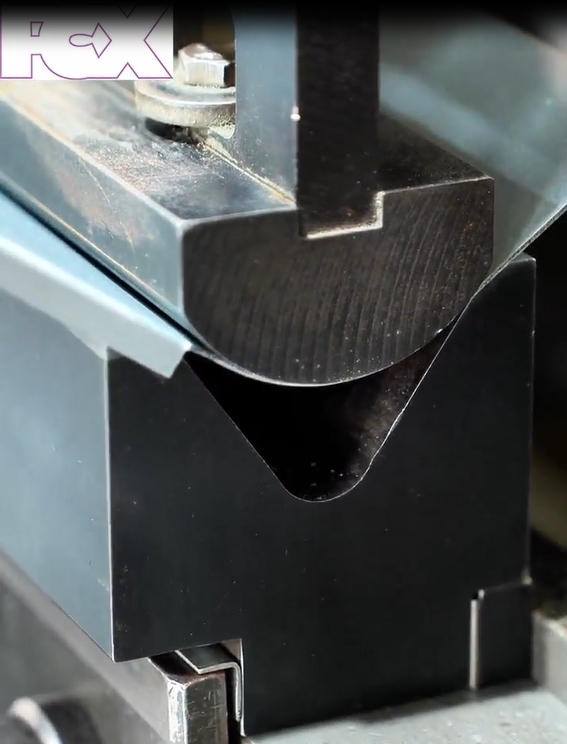
Forming is the core link of sheet metal processing. It forms the desired three-dimensional shape by applying external force to make the flat sheet undergo plastic deformation. The most commonly used process is bending, in addition to stretching, rolling, beading and other subdivided processes. CNC bending is the most commonly used forming process. It uses a computer to control the pressure and position of the bending machine to accurately bend the sheet into a set angle (such as 90°, 120°) or arc, with good consistency and high efficiency, and can complete multiple complex bends. When bending, it is necessary to control the bending radius (usually not less than the sheet thickness to avoid cracking) and the bending sequence (from inside to outside, from small to large to avoid process interference) to ensure forming precision. Stretching is a more difficult forming process. It presses the flat sheet into an open hollow part (such as a sink, lampshade) through a punch press and a special mold. It requires the sheet to have good ductility, and the shape should be as simple and symmetrical as possible, which can be formed by one or multiple stretches. Other forming processes include rolling, beading and hole flanging. Rolling is to roll the sheet into an arc or cylindrical shape, such as pipes and guardrails; beading is to press reinforcing ribs on the sheet to improve structural rigidity; hole flanging is used to process threads or improve hole rigidity, and the corresponding process can be selected according to the needs of the finished product.
Step 4: Connection (Splicing and Forming, Firmly Integrated)
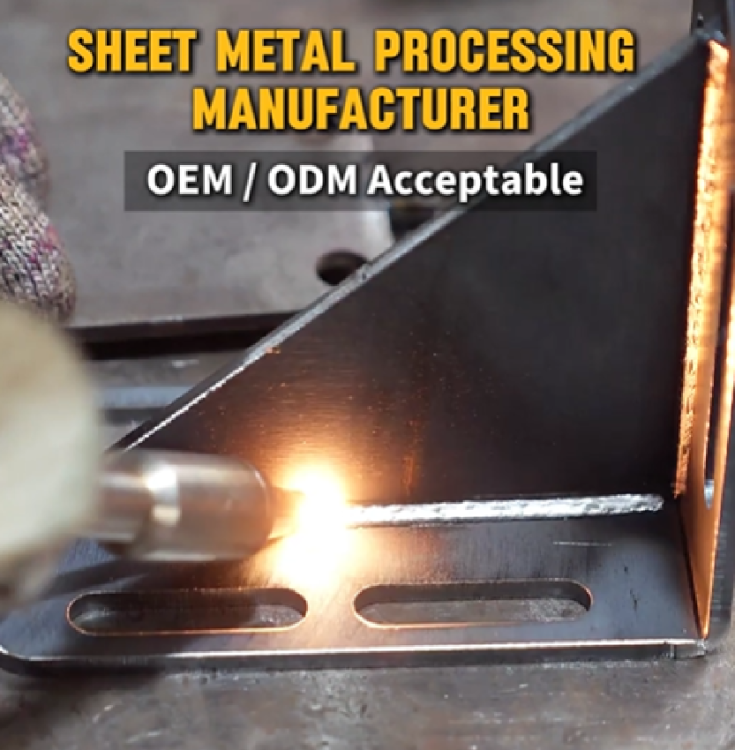
For complex sheet metal finished products, a single sheet cannot be completed, and multiple formed parts need to be spliced together. The commonly used connection methods are divided into welding and non-welding categories. Welding is equivalent to the "sewing" link of the "metal tailor", which can firmly connect the parts into a whole. There are three commonly used methods. Gas metal arc welding has high efficiency and good strength, and is suitable for most structural parts; argon arc welding has beautiful welds and small deformation, and is often used for appearance parts such as stainless steel and aluminum alloy; laser welding is precise and efficient with a small heat-affected zone, and is mostly used for precision components and thin sheet welding. After welding, the welding slag needs to be ground and polished to ensure a flat and beautiful surface, and at the same time improve the firmness and corrosion resistance. Non-welding connection is suitable for scenes that are not suitable for welding or need to be detachable, mainly including riveting, hole punching riveting and TOX riveting. Among them, riveting rivets two sheets together through rivets and is detachable; hole punching riveting has precise positioning and high strength and is non-detachable; TOX riveting has no edges and burrs, does not damage the surface coating, and is suitable for parts with corrosion resistance requirements.
Step 5: Surface Treatment (Anti-Corrosion and Aesthetics, Extending Service Life)
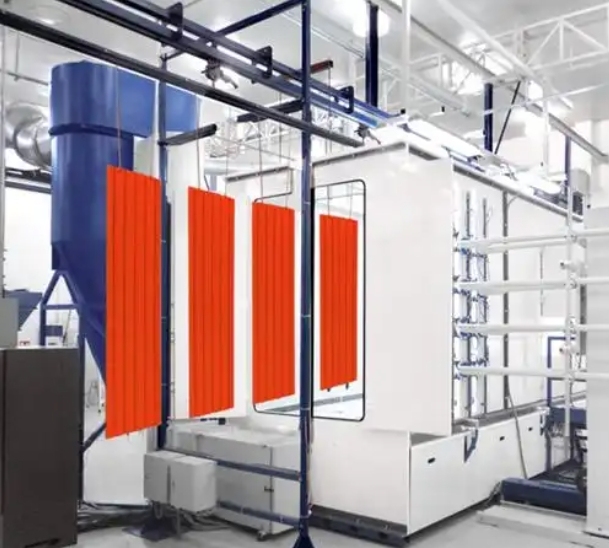
Surface treatment is the "icing on the cake" link of sheet metal processing. Its core purpose is to improve the corrosion resistance and wear resistance of the finished product, and at the same time optimize the appearance to make it more in line with the needs of the use scene. There are 5 commonly used surface treatment methods. Among them, powder coating (electrostatic powder coating) is the most commonly used one. First, the sheet is degreased, derusted and phosphated, then the powder coating is evenly attached to the surface through electrostatic adsorption, and cured by high-temperature baking. After treatment, the surface is smooth, with various colors, strong corrosion resistance and low cost, which is suitable for carbon steel chassis, cabinets and other products. Electroplating includes electrogalvanizing, chrome plating, etc. It covers a layer of metal coating on the surface of the sheet through electrochemical reaction, which can improve corrosion resistance and aesthetics. Among them, electrogalvanizing has a bright surface, and hot-dip galvanizing has a thicker coating and stronger corrosion resistance. Anodizing is mainly used for aluminum alloy. It forms an oxide film on the surface of aluminum alloy through electrolytic reaction, which can be dyed into various colors, with both protective and decorative effects, and high hardness and wear resistance. It is often used for household appliance appearance parts, heat sinks and other products. In addition, there are two surface treatment methods: electrophoresis and passivation. Electrophoresis is suitable for complex structural parts with uniform coating and strong adhesion; passivation is mainly used for stainless steel and galvanized sheets, which can further improve surface corrosion resistance and simplify the subsequent treatment process.
Step 6: Inspection (Strictly Controlling Quality, Eliminating Defects)
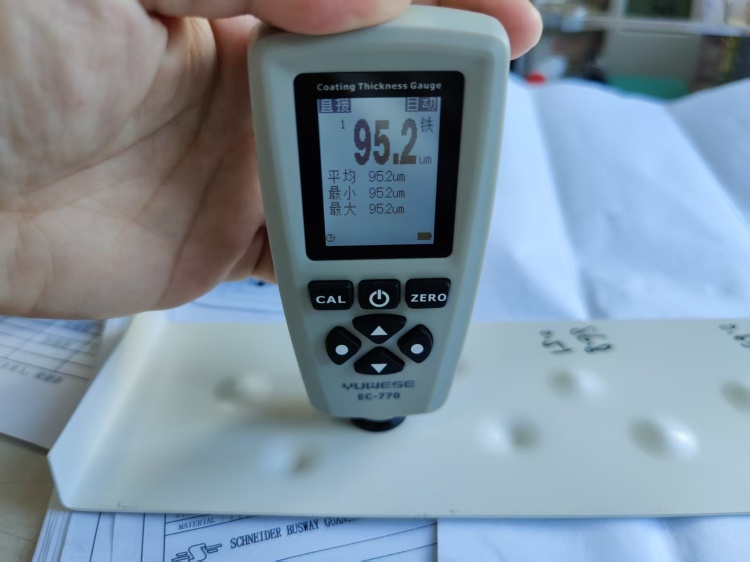
Inspection is the "checkpoint" link of sheet metal processing. Its purpose is to check the deviations and defects arising during the processing process to ensure that the finished product meets the design standards. The inspection content mainly includes dimensional inspection, appearance inspection and performance inspection. Dimensional inspection uses tools such as calipers, tape measures and projectors to check the key parameters of the finished product such as length, width, bending angle and hole position to ensure that the tolerance is within the allowable range; appearance inspection mainly checks whether there are scratches, dents, welding slag, coating peeling and other problems on the surface to ensure that the appearance is clean and beautiful; performance inspection tests the corrosion resistance and firmness of the finished product, such as salt spray test and tensile test, to avoid failures of the finished product during use.
Step 7: Packaging (Protective Finishing, Safe Delivery)
Packaging is the last step of sheet metal processing. Its core is to protect the finished product from scratches, collisions and rust during transportation and storage. Usually, according to the size, shape and material of the finished product, appropriate packaging materials are selected, such as pearl cotton, bubble film, cartons, wooden pallets, etc. For precision parts or appearance parts, they will be wrapped separately first, then put into cartons. If necessary, buffer materials will be placed in the packaging to prevent collisions during transportation. After packaging, the product name, specification, quantity and other information will be marked to facilitate subsequent warehousing and delivery, ensuring that the finished product is delivered to the customer in good condition.