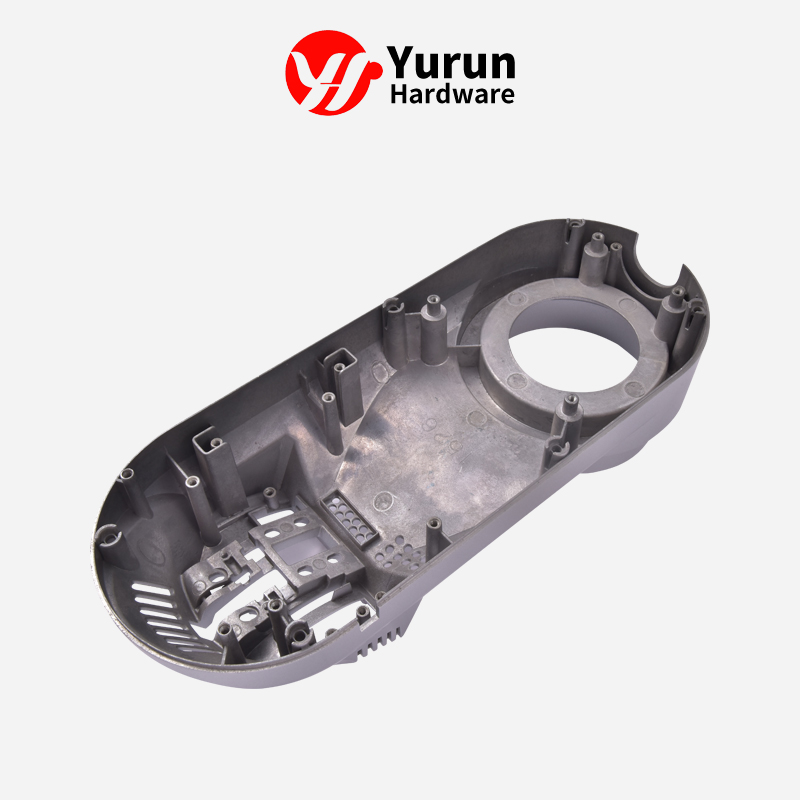
To produce high-quality zinc alloy die-casting parts, we must start with raw materials. So, what kind of problems can occur in zinc alloy die-casting parts due to poor materials? 1. If the composition
Die casting is a manufacturing technology that injects molten metal into a mold under high pressure. It is widely used in the mass production of precision parts. Its core processes are divided into tw
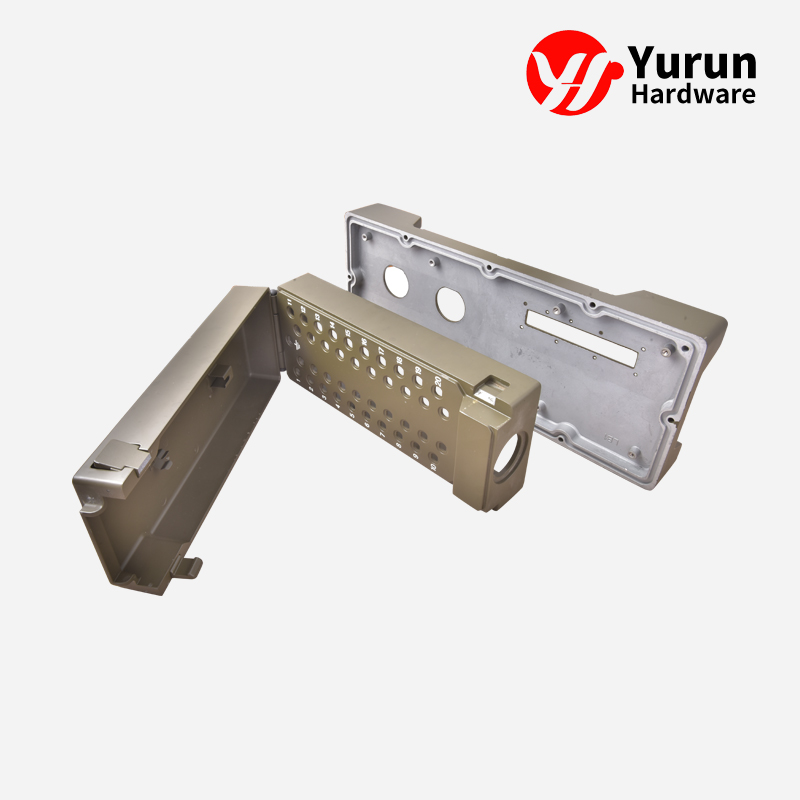
Aluminum alloy die-casting can produce large parts and can stably produce products such as box shells that require structural strength and dimensional accuracy, suitable for industrial, new energy and
The parting surface is the "first threshold" of die-casting molds, and whether the demolding is smooth or not depends entirely on it The parting surface, commonly known as the "opening and closing sur
As the global new energy vehicle market continues to grow explosively, lightweight technology innovation is triggering a profound change in the automotive manufacturing industry. Recently, Tesla's Chi
Die casting (pressure casting) and gravity casting are the two most commonly compared processes in the selection of non-ferrous metal parts such as aluminum alloys and zinc alloys. Many procurement an
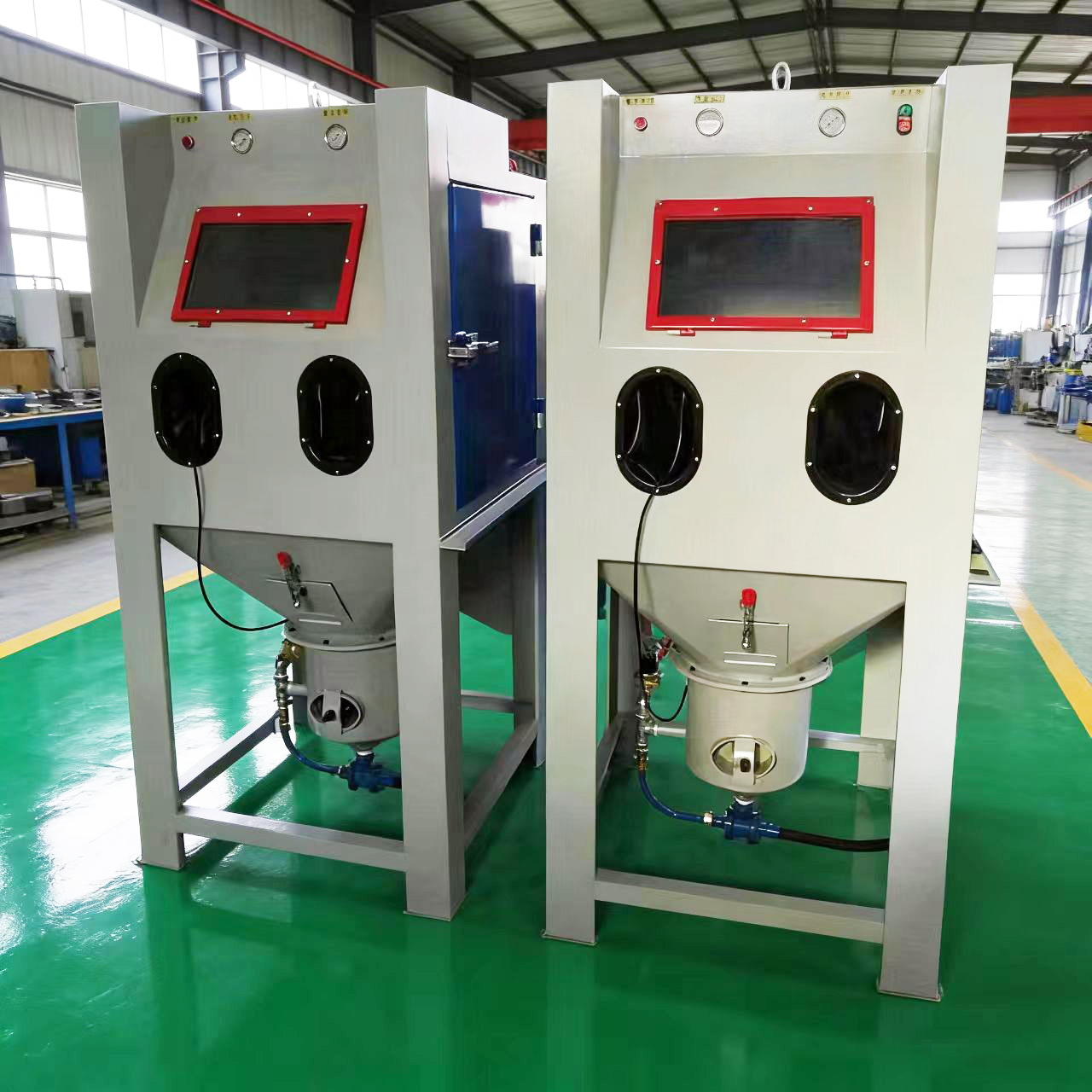
New Tool for Shell Making Upgrade | Intelligent Automatic Sanding Machine Empowers Standardized Production of Precision Casting A new generation of intelligent automatic sanding machine has been upgra
Many people only know that the names of two processes are different, but they do not know the difference in actual cutting methods. Let's break them down in layman's terms and understand them at a gla
The barrier to low-volume production in most forming processes is tooling. A die casting die runs $30,000–100,000+ and only makes sense amortized over large volumes. A forging die similarly demands vo